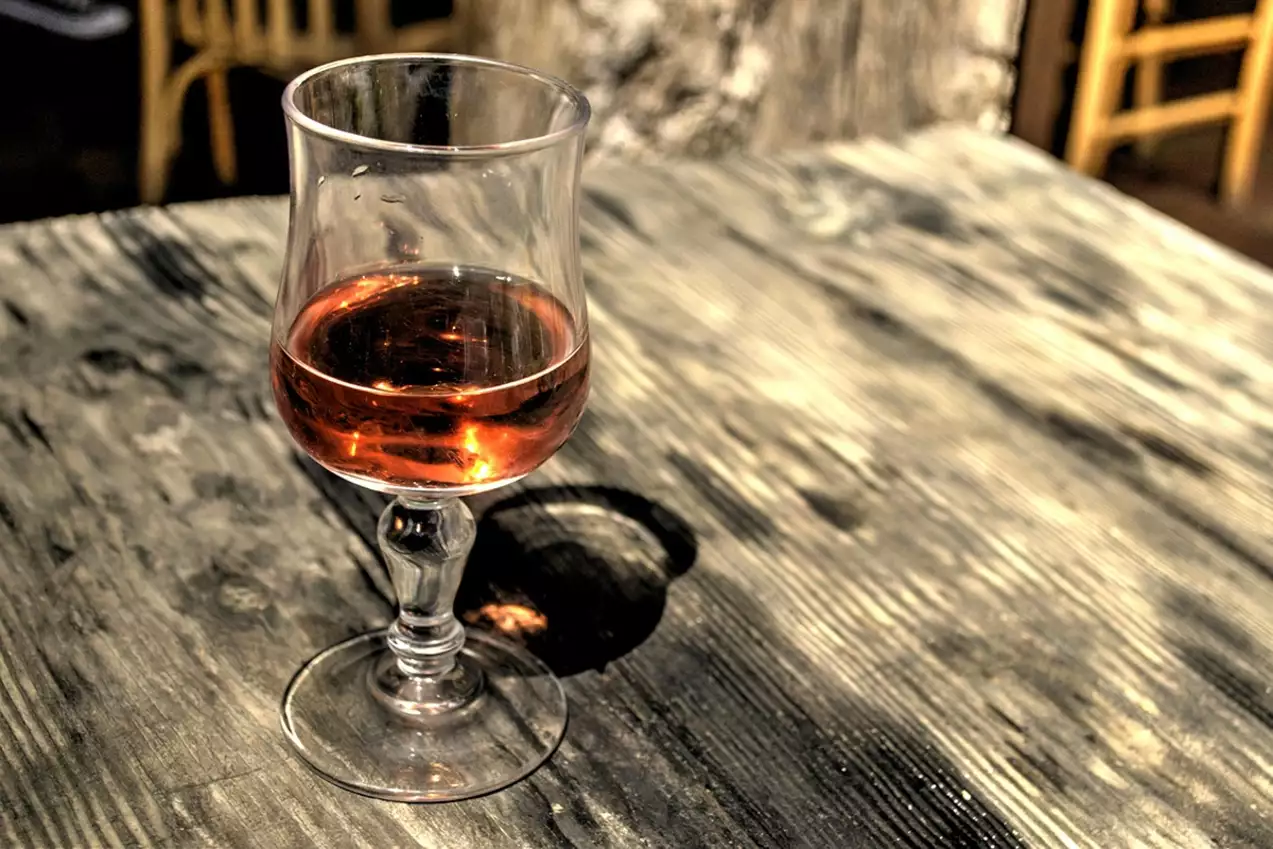
What is sherry wine?
1 September 2025
Key Takeaways
- Sherry is a fortified white wine from the Jerez region of Andalucía in southern Spain, made mainly from Palomino, Pedro Ximénez, and Moscatel grapes.
- Protected by the D.O. Jerez-Xérès-Sherry, authentic Sherry can only come from the Sherry Triangle - Jerez de la Frontera, El Puerto de Santa María, Sanlúcar de Barrameda - plus the newer zones of Chiclana, Chipiona, and Trebujena added in 2022.
- Sherry styles range from bone dry Fino and Manzanilla to intensely sweet Pedro Ximénez, with intermediate styles like Amontillado, Oloroso, Cream, and Medium offering remarkable diversity.
- The solera system of ageing and blending means some soleras contain wines started over 100 years ago, creating depth no single-vintage wine can match.
- Sherry is one of the most food-versatile wines in the world, perfect for tapas, seafood, cured meats, desserts, and even classic cocktails.
What Is Sherry Wine? (Fast Answer)
Sherry is a fortified wine from the Jerez region of Andalucía in southern Spain, typically ranging from 15–22% ABV. Made under the strict rules of the D.O. Jerez-Xérès-Sherry, it must be produced from three white grapes: Palomino Fino (the dominant grape), Pedro Ximénez, and Moscatel.
What sets Sherry apart from other wines is its unique maturation process. After fermentation, the base wine is fortified with distilled spirit and aged in American oak barrels using the solera system, which blends younger wines with older wines for consistency and complexity.
Most traditional sherry styles - Fino, Manzanilla, Amontillado, Oloroso, and Palo Cortado - are naturally dry wines. Sweetness comes either from sun-dried grapes (as in PX Sherry) or from blending dry wines with sweet wine or grape must to create Cream, Medium, or Pale Cream styles.
A Brief History of Sherry
Wine has been made around Jerez for over 3,000 years. Phoenician traders planted the first vines, and Roman records - including writings by Pliny the Elder - document sweet wines being shipped from this corner of southern Spain.
The name “Sherry” evolved from “Sherish,” the Arabic name for Jerez during Moorish rule from 711–1264 AD. The Moors also introduced distillation techniques that would later enable fortification.
The British market shaped Sherry’s modern identity. In 1587, Sir Francis Drake raided Cádiz and captured nearly 3,000 butts (each holding about 500 liters) of what the English called “sherris sack.” This sparked enormous demand that lasted centuries.
From the 17th through 19th centuries, British and Irish merchants established trading houses in Jerez, shipping Sherry in oak butts later reused by the whisky industry to mature Scotch - a connection still celebrated on labels today. Many historic bodegas from this era, including González Byass (founded 1835), continue operating with solera systems that trace back to the 1800s.
Where Does Sherry Come From? The Sherry Triangle
All authentic Sherry must originate from the D.O. Jerez-Xérès-Sherry, a denominación de origen established in 1933. The traditional Sherry Triangle connects three towns:
| Town | Location | Known For |
|---|---|---|
| Jerez de la Frontera | Inland | Most bodegas, administrative center |
| El Puerto de Santa María | Atlantic coast | Coastal ageing, maritime influence |
| Sanlúcar de Barrameda | Atlantic coast | Manzanilla production |
In November 2022, the D.O. expanded to include Chiclana de la Frontera, Chipiona, and Trebujena, forming a longer coastal strip while maintaining strict quality oversight.
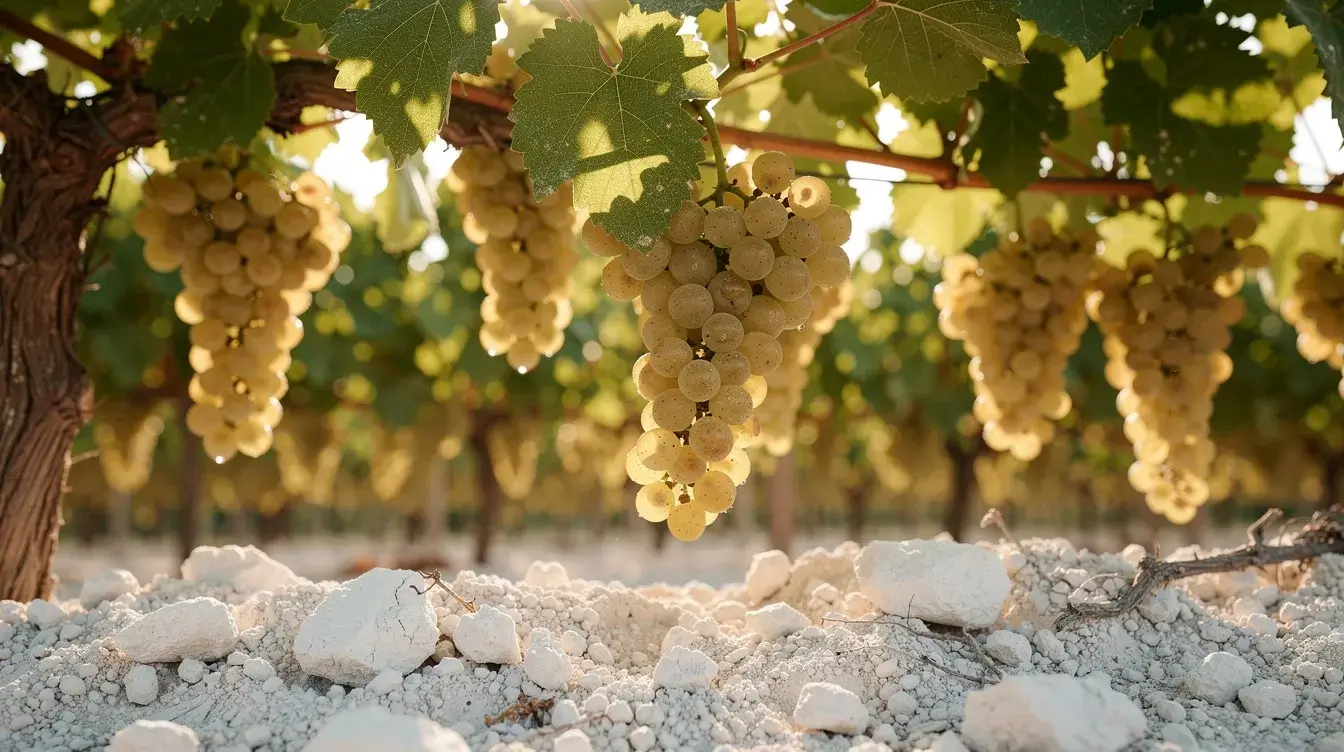
The region’s terroir is defined by albariza soil - bright white, chalky limestone containing up to 70% calcium carbonate. This soil retains winter rainfall through scorching summers and reflects sunlight to ripen grapes while imparting distinctive minerality. Atlantic breezes (the cooling Poniente from the west and drying Levante from the east) moderate the hot Mediterranean climate, creating ideal conditions for Sherry production.
Grapes Used in Sherry Wine
Sherry is fundamentally an aged white wine, produced from three permitted grape varieties:
Palomino Fino dominates the region, accounting for 90–95% of vineyard plantings. This neutral, high-yielding white grape produces a clean base wine around 11–12% ABV, making it ideal for expressing terroir and ageing character across dry styles.
Pedro Ximénez creates naturally sweet wines through the asoleo process. Harvested grapes are laid on mats in the sun for 7–14 days, losing 70–80% of their weight while concentrating sugars to 400–500g/L. The result is thick, syrupy dessert wines with dried fruits, fig, and molasses flavors.
Moscatel grapes (Muscat of Alexandria) represent the smallest portion of plantings, usually grown near the coast. These aromatic grapes produce floral, citrus-scented sweet wines often featuring orange blossom and honey notes.
How Is Sherry Made? From Base Wine to Solera
Sherry production follows three essential stages: creating the base wine, fortification, and ageing.
Base wine production begins with harvest (late August to early September for Palomino). Grapes undergo gentle pneumatic pressing, then ferment in stainless steel to a dry white wine of about 11% ABV.
Fortification raises the alcohol level using neutral grape spirit at 96% ABV:
- 15–15.5% for biological styles (Fino, Manzanilla)
- 17–18% for oxidative styles (Oloroso)
The fortification level determines which path the fresh wine will take.
Biological ageing occurs when flor yeast - a biofilm of Saccharomyces cerevisiae strains - forms naturally on wines around 15% ABV. Casks are filled only 80–90% full, leaving headspace. The flor consumes oxygen and glycerol while producing acetaldehyde, keeping wines pale and imparting intense notes of almonds, bread, and salt.
Oxidative ageing happens in fuller casks without flor protection. Controlled oxygen contact darkens the wine and develops flavors of walnut, dried fruits, leather, and spice through Maillard reactions and polyphenol oxidation.
After classification, wines enter the solera system for years of maturation.
The Solera System Explained
The solera y criaderas system is a fractional blending method that maintains a consistent house style by mixing different vintages in stacked rows of American oak casks.
The basic layout works like this:
- Solera level (ground floor): Contains the oldest wine, from which bottles are drawn
- Criaderas (upper tiers): Progressively younger wines, numbered 1st, 2nd, 3rd, etc.
- New wine enters at the top
Periodically (annually or more frequently), 5–30% of wine is drawn (saca) from each solera cask for bottling. Each solera cask is then topped up (rocío) from the criadera above, and this cascade continues upward.
This means every bottle contains a blend of many different vintages. While the youngest component must be at least two years old, some solera systems were established in the 1840s - trace amounts of remarkably old wine persist in every bottle. This is why most Sherry is non-vintage, with rare añada (vintage-dated) exceptions.
Major Styles of Sherry Wine
Understanding sherry styles means grasping how grape variety, fortification level, and ageing method combine to create distinct wines.
The spectrum runs from pale, crisp, and bone dry (Fino) to dark, viscous, and intensely sweet (Pedro Ximénez). Between these extremes lie the important styles that make Sherry one of the most diverse categories in the wine world.
The following sections cover each major style, organized roughly from driest to sweetest.
Fino Sherry
Fino Sherry (meaning “refined”) is the classic pale, dry style. Made from the Palomino grape and aged entirely under thick flor at 15% ABV, it spends 2–7 years in solera.
Profile: Very pale straw color with aromas of green almonds, bread dough, chamomile, and sea breeze. Bone dry with crisp acidity and a salty tang.
Serving: Served chilled (5–9°C) in a white wine glass. The iconic Tio Pepe is perhaps the most recognized Fino worldwide.
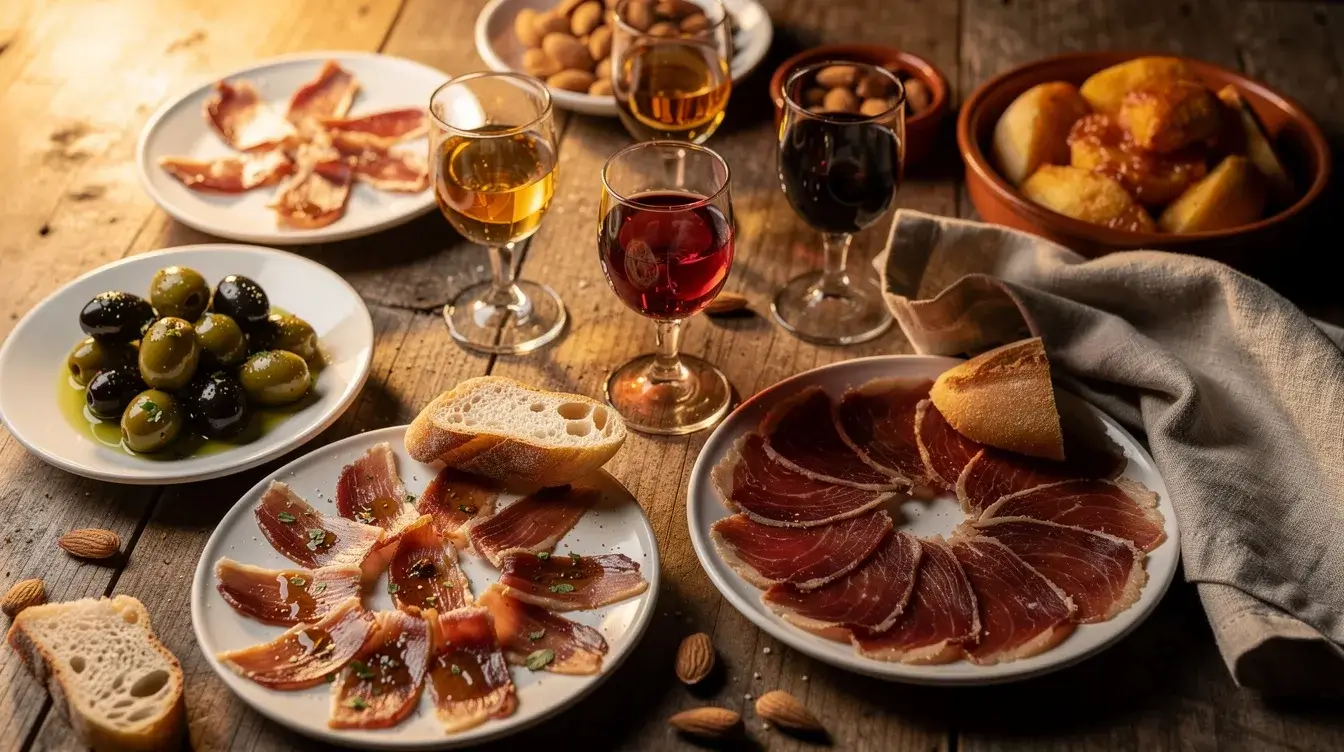
Pairing: Olives, jamón ibérico, fried fish, sushi, almonds, and simple tapas.
Manzanilla Sherry
Manzanilla is essentially Fino made and aged exclusively in Sanlúcar de Barrameda, where cool, humid Atlantic air fosters exceptionally thick flor.
Profile: Even lighter and more delicate than inland Fino, with distinctive chamomile (the Spanish word “manzanilla” means chamomile), green apple, and pronounced sea salt character. Always bone dry.
Manzanilla Pasada: Aged longer (7+ years), developing nuttier complexity while retaining some flor influence.
Pairing: Shellfish, prawns, fried calamari, anchovies - anything from the sea mirrors its maritime character.
Amontillado Sherry
Amontillado Sherry begins as Fino or Manzanilla, ageing under flor until the flor dies or the wine is refortified to ~17% ABV. It then continues ageing oxidatively, often for a decade or more.
Profile: Amber to light mahogany. Aromas of hazelnut, toasted almonds, tobacco, and subtle caramel. Usually dry unless deliberately sweetened.
Why it matters: This bridge style combines the freshness of biological ageing with the depth of oxidative ageing, creating unique flavors impossible to achieve otherwise.
Pairing: Roast chicken, game birds, mushroom dishes, aged cheeses, and asparagus.
Palo Cortado
Palo Cortado is among the rarest sherry wines, representing just 1–2% of production. Historically a “happy accident,” it occurs when wine destined for Fino loses its flor unexpectedly.
Profile: Sits between Amontillado and Oloroso - medium to deep amber with citrus peel, roasted nuts, leather, and spice. Dry, powerful, and complex.
Modern winemakers can create Palo Cortado intentionally by selecting elegant Palomino wines, giving brief biological ageing, then fortifying for oxidative maturation.
Pairing: Rich poultry, foie gras, creamy sauces, aged Manchego.
Oloroso Sherry
Oloroso (“fragrant”) is fortified to 17–18% from the start, preventing flor formation entirely. It ages oxidatively throughout, often reaching 18–20% ABV in bottle.
Profile: Deep amber to mahogany. Pronounced walnut, dried figs, leather, tobacco, and sweet spices. Naturally dry unless sweetened.
Many Olorosos spend decades in solera. Aged sherries can earn VOS (20+ years average) or VORS (30+ years) certifications under D.O. rules.
Pairing: Slow-cooked meats, oxtail stew, aged hard cheeses, blue cheese. Serve slightly cool (12–16°C) to let aromas unfold.
Medium, Cream, and Pale Cream Sherries
These blended, sweetened styles cater to those who prefer residual sugar content:
| Style | Base | Sweetness | Character |
|---|---|---|---|
| Cream Sherry | Oloroso + PX | >150g/L | Dark, rich, toffee/raisin |
| Medium | Amontillado + PX | 100–150g/L | Balanced nutty/caramel |
| Pale Cream | Fino + must | <115g/L | Pale, almond, gentle sweetness |
Cream Sherry became enormously popular in the British market during the 20th century. Though sometimes dismissed as old-fashioned, quality examples offer genuine complexity.
Pairing: After-dinner service with fruit tarts, caramel desserts, mild blue cheeses, or simply with nuts.
Pedro Ximénez (PX) and Moscatel Sherries
Pedro Ximenez Sherry is among the sweetest wines on Earth. Sun-dried PX grapes produce almost black, viscous wine with extreme sugar levels and intense notes of raisins, dates, figs, molasses, and dark chocolate.
PX is typically fortified to 15–17% ABV and aged oxidatively in solera, gaining complexity over many years. Some top sherries in this category reach extraordinary age and concentration.
Moscatel Sherry offers a lighter, more aromatic alternative with orange peel, orange blossom, honey, and apricot flavors from Moscatel grapes grown near the coast.
Serving: Slightly chilled in small pours as dessert in their own right.
Pairing: Vanilla ice cream (drizzle PX over it), chocolate desserts, blue cheese, or alongside espresso.
Is All Sherry Sweet?
One of the biggest misconceptions about Sherry: it’s all sweet. In reality, approximately 60% of production is dry wines - Fino, Manzanilla, Amontillado, Oloroso, and Palo Cortado dominate.
Quick guide:
- Dry: Fino, Manzanilla, Amontillado, Palo Cortado, Oloroso (unless labeled “Cream” or “Medium”)
- Sweet: Cream, Medium, Pale Cream, Pedro Ximénez, Moscatel
If you typically drink dry sherry or dry white wine, start with Fino and Manzanilla. If you enjoy dessert wines, explore Cream and PX for a richer experience.
How to Drink and Serve Sherry
Forget tiny schooners. Modern practice favors standard white wine glasses to let aromas open properly.
Temperature guidelines:
- Fino and Manzanilla: Very chilled (5–9°C)
- Amontillado, Palo Cortado, Pale Cream: Lightly chilled (10–14°C)
- Oloroso, Cream, PX, Moscatel: Slightly cool (12–16°C)
After opening:
- Fino/Manzanilla: Refrigerate, drink within 3–7 days
- Oxidative styles: Refrigerate, enjoy within several weeks to two months
Pour small servings (60–90ml) so wine stays at proper temperature. Try Sherry in classic cocktails like the Sherry Cobbler, Bamboo, or a simple spritz with soda and citrus.
Food Pairing with Sherry
Sherry is arguably the most food-friendly wine category, thanks to its umami character and stylistic range.
The local rule: “If it swims, drink Fino or Manzanilla; if it flies, drink Amontillado; if it runs, drink Oloroso.”
Specific matches:
- Fino/Manzanilla: Oysters, clams, sushi, fried fish, salted almonds, olives
- Amontillado: Roast chicken, turkey, mushroom dishes, cured meats
- Oloroso: Slow-cooked beef, lamb, game, aged cheeses
- Cream/Medium: Pâtés, semi-blue cheeses, nut-based desserts
- PX: Chocolate cake, tiramisu, blue cheese, drizzled over ice cream
Don’t forget cooking - Sherry excels for deglazing pans, enriching sauces, and soaking raisins for desserts.
Sherry, Ageing, and Longevity
All Sherry must age a minimum of two to three years in cask under D.O. rules. Many quality bottlings are considerably older due to extended solera time.
Age certifications:
- VOS (Very Old Sherry): 20+ years average age
- VORS (Very Old Rare Sherry): 30+ years average age
Bottle shelf life:
- Oxidative styles (Oloroso, Amontillado, Cream, PX): Can be cellared for years unopened
- Biological styles (Fino, Manzanilla): Best enjoyed within 1–2 years of bottling
Unlike other wines where vintage variation matters, the solera system ensures consistency by blending across different vintages - though some bodegas release rare añada wines from single years.
Sherry Culture: Festivals, Architecture, and Beyond
International Sherry Week, held annually in early November, celebrates this rich heritage through tastings, pairing dinners, and educational events in bars, restaurants, and wine shops across 50+ countries.
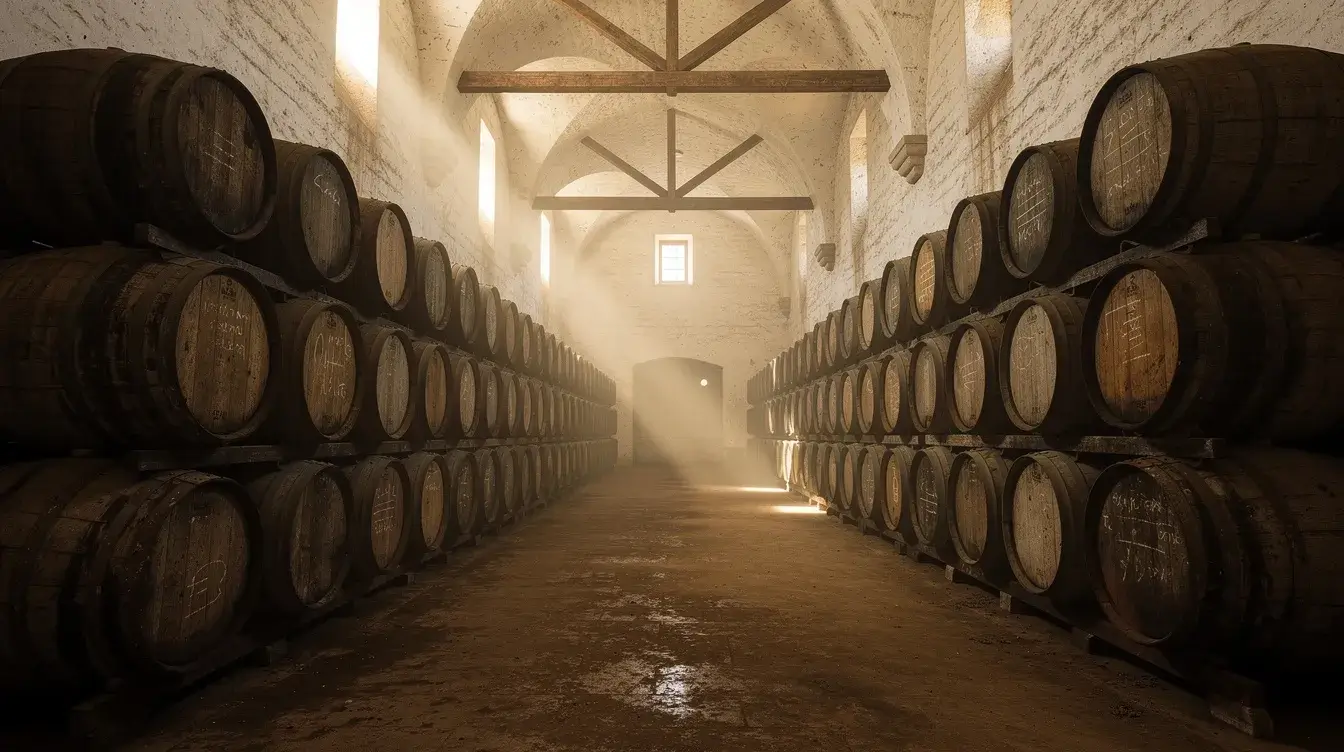
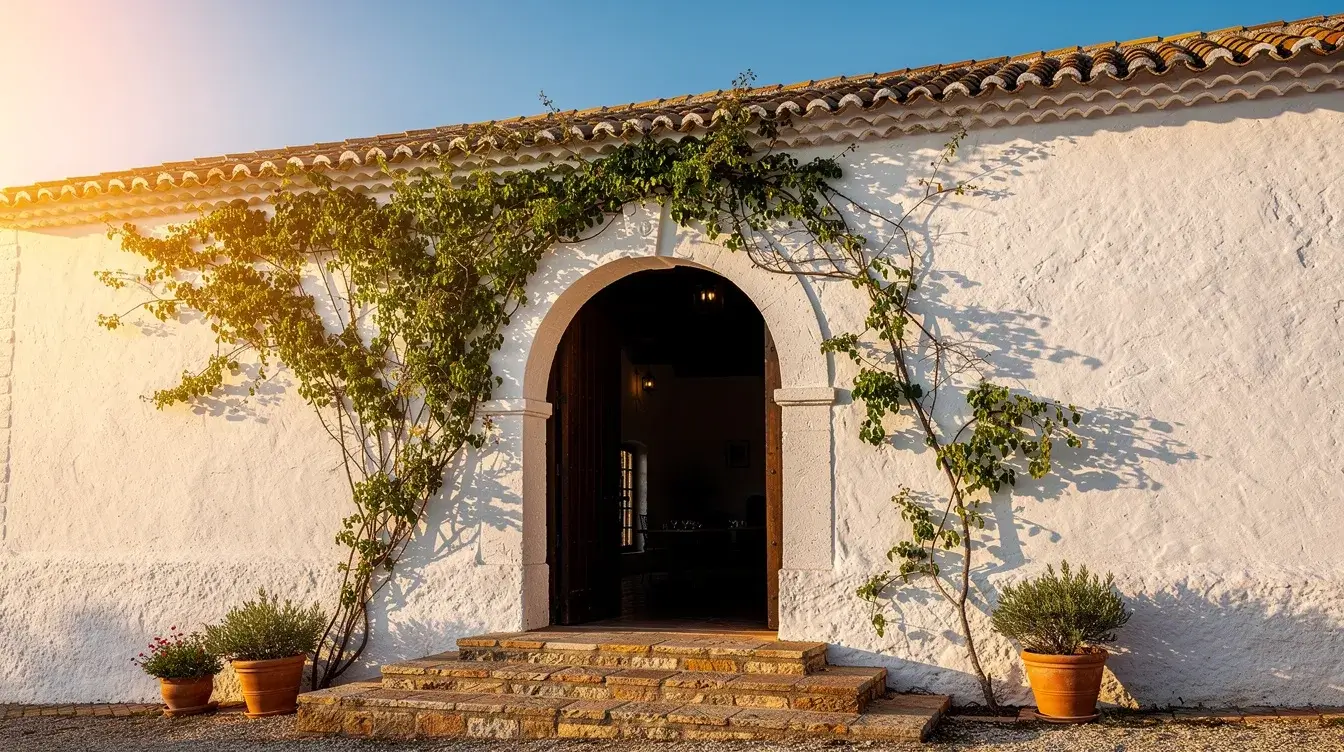
The “cathedral” bodegas of Jerez and Sanlúcar are architectural marvels: soaring ceilings, thick whitewashed walls, rows of American oak butts, and windows oriented to catch Atlantic breezes - all designed to maintain cool, humid conditions essential for flor.
Beyond wine, the region produces:
- Sherry vinegar (vinagre de Jerez): Aged in similar solera systems
- Brandy de Jerez: Grape spirit matured in seasoned sherry casks
Wine tourism thrives here. Bodegas like Tio Pepe attract 300,000 visitors annually to walk through historic cellars, taste directly from solera casks, and experience local tapas culture where Sherry remains a daily staple.
FAQ
Is Sherry the same as Port?
Both are fortified wines from the Iberian Peninsula, but they differ significantly. Sherry comes from Jerez in southern Spain and is typically fermented dry before fortification. Port comes from Portugal’s Douro Valley and is fortified during fermentation to retain natural sweetness. Sherry tends toward a lighter body with more savory, umami character, while Port is generally richer and sweeter.
Can Sherry go bad after opening?
Biologically aged styles (Fino and Manzanilla) are most fragile - drink sherry within 3–7 days of opening if kept refrigerated. Oxidatively aged sherries (Amontillado, Oloroso, Cream, PX) have already been exposed to oxygen during ageing and remain enjoyable for several weeks or even a couple of months when stored cold with the bottle tightly sealed.
Is Sherry only for cooking?
Definitely not. Supermarket “cooking Sherry” is usually low-quality and salted, but real D.O. Jerez Sherry is a fine wine meant for drinking. Quality Sherry can also enhance cooking - deglazing pans, enriching sauces, or adding complexity to desserts - but always use something you’d happily drink.
How strong is Sherry compared to regular wine?
Sherry ranges from about 15% ABV (Fino, Manzanilla) up to 20–22% ABV (older Oloroso, some PX), compared with 11–15% for most table wines. The higher alcoholic strength means smaller pours are appropriate - think of it like other spirits in terms of serving size.
Do I need special glassware for Sherry?
Traditional copitas exist, but modern practice recommends small white wine glasses or tulip-shaped glasses. These concentrate aromas better than tiny schooners and allow swirling, making it easier to appreciate the wine’s complexity. The key is serving appropriate portion sizes rather than using specific glassware.
← Back to Blog