What Is Madeira Wine? A Deep Dive for Wine Lovers
11 November 2026
When you first hear Madeira wine, it can sound like a niche corner of the wine world-something reserved for collectors, old-school cellars, or special occasions. But Madeira’s story is far more fascinating (and surprisingly accessible) than that. From its volcanic island origins to its distinctive “cooked” character and long, resilient ageing, Madeira has a unique personality that still captivates both casual sippers and curious enthusiasts.
In this guide, we’ll answer the most important question-what is Madeira wine?-and go further. You’ll learn where it comes from, how it’s made, why it tastes the way it does, what styles to look for, and how to enjoy it at home. Whether you’re exploring fortified wines for the first time or you’re looking for your next bottle to impress, Madeira deserves a place in your rotation.
Madeira wine: a fortified wine from an Atlantic island
Madeira wine is a fortified wine produced on the island of Madeira, which belongs to Portugal. It’s made from grapes grown on steep vineyards, then fortified during production, and ultimately aged in ways that create its signature flavour profile.
What makes Madeira stand apart is not just that it’s fortified-lots of regions produce fortified wines. It’s the combination of island terroir, winemaking choices, and especially the ageing process, which is closely tied to Madeira’s historic trade routes and the way the wine was preserved over time.
Where is Madeira, and why does it matter?
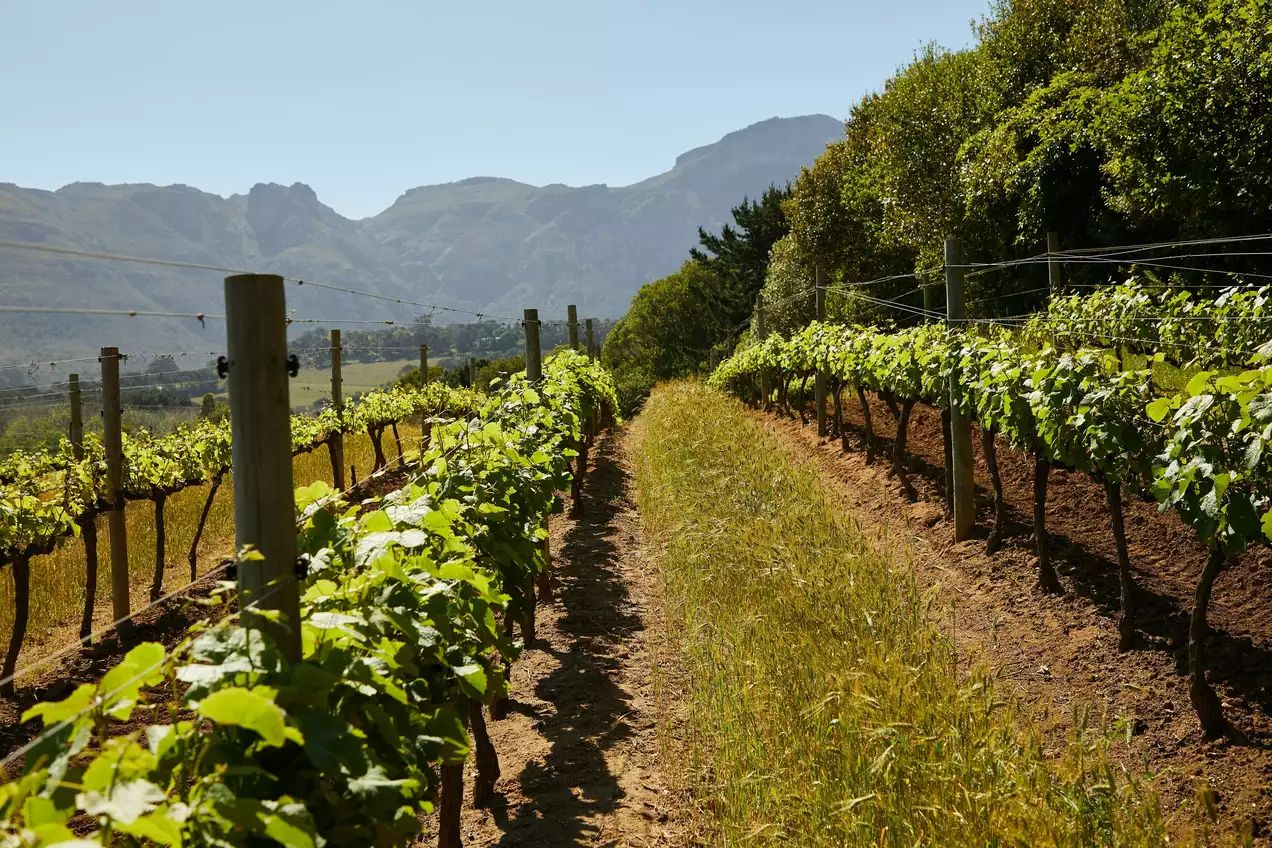
Madeira sits in the Atlantic Ocean, off the coast of Portugal. The island’s landscape is dramatic: vineyards are often planted on terraces carved from rocky slopes. This is not a gentle viticulture environment. The vines have to work hard, and that contributes to the wines’ intensity and resilience.
The climate is also crucial. Madeira experiences warm temperatures and ocean-driven breezes-conditions that influence grape ripening and the way wine evolves during ageing.
But the real “why it tastes like Madeira” answer lies in the next step: the production and maturation process.
How is Madeira wine made?
To understand what Madeira tastes like, it helps to understand its method. Most Madeira is produced using fortification-meaning extra alcohol (usually grape spirit) is added to the wine during fermentation or early in its development.
That fortification has two major effects:
1) It stops fermentation at a chosen moment, helping preserve certain sweetness and body.
2) It boosts alcohol stability, allowing the wine to age exceptionally well over long periods.
From there, the most defining feature comes into play: Madeira’s ageing is “heat-influenced”, often involving controlled exposure to warm temperatures. Traditionally, this happens in casks or tanks, sometimes with periodic heating over time. The result is a wine that develops nutty, caramelised, and gently toasty notes-without tasting like it has been “damaged.” It tastes purposeful, expressive, and often remarkably complex.
In short: Madeira is built to evolve. It’s a wine where development is part of the design.
The signature ageing style: why Madeira tastes so distinctive
You might hear terms like oxidative or heated ageing in relation to Madeira. The key idea is that Madeira is made to undergo a controlled transformation-an evolution that can resemble what might happen if wine were exposed to long voyages and varying conditions.
Historically, Madeira was shipped by sea for trade. Wine could be subject to heat and motion, and rather than spoiling, the wine often improved-developing deeper flavours and gaining that unmistakable Madeira character. Over time, winemakers embraced and refined that process.
Today, the result is a fortified wine that can show:
• toasted bread
• caramel and toffee
• nuts (almond, hazelnut, walnut)
• dried fruit
• warming spice and gentle sweetness (depending on style)
That evolution can happen even in bottles that you open after years of ageing, and that’s part of Madeira’s magic.
Madeira grape varieties: the flavours have names
Madeira isn’t made from one grape. Several varieties are planted across the island, each contributing different aromatics and structure.
Commonly used grapes include:
• Sercial: often drier, with a more austere, saline edge-great for lovers of crisp fortified wines.
• Verdelho: typically medium to dry, known for aromatic richness.
• Bual: frequently shows more roundness and sweetness potential, leaning towards honeyed and caramelised notes.
• Malvasia (also Malmsey): usually the most opulent style, with a lush, richer sweetness and deeper dried fruit character.
These grape differences matter because Madeira isn’t one flavour. It’s a family of styles, united by fortification and Madeira’s characteristic maturation approach.
What styles of Madeira wine are there?
Madeira is commonly sold in a range of sweetness levels and ageing categories. Many retailers (including those who curate across styles) focus on understanding what you’re tasting-so you can pick a bottle that matches your mood.
You may see styles such as:
• Dry Madeira (often associated with Sercial): leaner, more savoury, and excellent as an aperitif.
• Medium-dry Madeira (often linked with Verdelho): balanced with a gentle warmth.
• Richer styles (Bual): rounder texture, more sweetness and aromatic depth.
• Sweet Madeira (Malvasia/Malmsey): sumptuous, dessert-friendly, and often reminiscent of caramelised fruits and nuts.
You’ll also come across age designations like 3 years, 5 years, 10 years, and sometimes longer. The general idea is that more time spent ageing brings deeper complexity-though the best way to choose is to taste what you enjoy: drier and crisp, or richer and luscious.
Why Madeira is so versatile: pairing ideas
If you’re wondering what is Madeira wine “for,” you’ll be pleased to know it’s remarkably adaptable. Because it often has a mix of sweetness, acidity, and fortified warmth-plus the toasted, nutty evolution-Madeira plays well with both savoury and sweet dishes.
Here are some pairing directions wine lovers tend to enjoy:
• Aperitif and small plates
Dry or medium-dry Madeira can work beautifully with olives, almonds, charcuterie, and simple seafood appetisers.
• Roast poultry and rich sauces
The warming spice and caramelised notes can complement flavours like roasted chicken, turkey, and gravy-based dishes.
• Nuts, cheese, and late-night bites
Nutty Madeira styles pair naturally with nut-based snacks and many cheeses-especially those with a creamy or aged profile.
• Desserts
Sweet Madeira (often Malmsey) is a classic match for pecan pie, crème brûlée, nut tarts, dried fruit desserts, and chocolate with a toasty edge.
• Savoury cravings
Try Madeira as a pairing with mushrooms, roasted vegetables, or lightly spiced dishes. The wine’s evolution mirrors the richness of cooked flavours.
One of the best aspects of Madeira is that it can be enjoyed slightly chilled for freshness-or at cellar temperature for more depth. Your glass becomes part of the experience.
How should Madeira be served?
Serving temperature can make a noticeable difference. For lighter and drier styles, consider serving slightly chilled to keep the aromas lively. For sweeter, richer bottles, aim for cool room temperature so the flavours open up fully.
Because Madeira is fortified, it typically has higher alcohol than many table wines. That’s not necessarily a drawback-it often adds warmth and balance-but it’s worth tasting slowly.
A good habit: take a moment to smell first. You’ll likely notice nutty aromatics, baked warmth, caramel notes, and sometimes dried fruit.
Is Madeira similar to Sherry or Port?
It’s natural to compare Madeira to other fortified favourites like Sherry or Port, especially because many wine lovers discover them together.
But Madeira is its own distinct category. The “family resemblance” comes from fortification and bottle ageing longevity. The difference lies in how flavours are built:
• Madeira is particularly defined by its heat-influenced evolution and toasted, caramelised complexity.
• Port often emphasises fruit density and rich sweetness, with its own style and ageing traditions.
• Sherry includes oxidative biological ageing under flor in certain styles, creating different aromatic cues.
You might find Madeira feels like the bridge between savoury toastiness and dessert richness-less about vineyard fruit alone, more about time, transformation, and texture.
What does Madeira taste like? A flavour map for your palate
If you’re trying to imagine what is Madeira wine “like,” think in layers. Madeira often develops a combination of:
• Toasted and nutty notes (almond, hazelnut, walnut)
• Caramelised sweetness (toffee, brown sugar)
• Dried fruit character (fig, raisins, dates-depending on style)
• A gentle, warming spice
• Textural richness from fortification and ageing
The exact balance depends on the style: dry Madeira may feel more savoury and crisp, while sweet Malmsey-style Madeira can feel opulent and dessert-like. But even drier examples tend to carry that unmistakable Madeira “baked warmth.”
How long can you keep Madeira?
One of Madeira’s legendary traits is its ability to age gracefully. Fortified wines can be durable, but Madeira is particularly renowned for evolving in the bottle without needing to be treated delicately like some rarer collectibles.
Many bottles will hold their appeal for years, sometimes even longer depending on style and producer. Because the wine is already designed to develop, opening an older bottle can feel like unlocking a timeline of flavour.
If you’re a wine lover who enjoys the idea of a “future bottle,” Madeira is a strong candidate.
Madeira in the modern world: why it’s gaining new fans
Madeira has always had its loyal following, but in recent years more wine drinkers have started exploring fortified wines beyond the usual names. People are looking for bottles with character, bottles that tell a story, and bottles that don’t require a huge learning curve to enjoy.
Madeira offers all of that. It’s not just a “sweet after dinner drink.” It can be an aperitif, a pairing partner, and a curiosity-worthy pour that feels both traditional and distinctive.
At a time when wine lovers are increasingly interested in diversity-different regions, different methods, different ways of building flavour-Madeira’s unique ageing approach makes it stand out.
How to choose a Madeira bottle (easy starter guide)
If you’re new to Madeira, choosing a style can feel confusing at first. Here’s a practical way to decide:
If you prefer drier wines: look for Sercial-style Madeira or “dry” labels. These are crisp and more savoury, great for those who don’t want overt sweetness.
If you like balanced complexity: try Verdelho or medium-dry options. You’ll get caramelised warmth without the wine feeling too heavy.
If you enjoy rich, sweeter wines: go for Bual or Malmsey styles. These are ideal when you want a more sumptuous, dessert-ready pour.
If you’re buying as a gift: choose based on the recipient’s preference for sweet versus dry, then consider ageing level for a sense of prestige and depth.
Madeira and Lady Wine: making discovery feel approachable
One reason Madeira remains so compelling is that it doesn’t belong to one type of drinker. It welcomes curiosity. It’s historical without being intimidating. It’s structured without being overly rigid. And it has the kind of flavour that invites you to return to the glass and notice something new each time.
At LadyWine.co.uk, the spirit of discovery is about finding wines that feel special-whether they come from well-known regions or more unexpected corners of the world. Madeira fits that boutique mindset perfectly: a fortified wine with a distinct identity, made by processes shaped by island conditions and centuries of experience.
So if you’ve been wondering what is Madeira wine, consider your next pour a small adventure-one that blends warmth, toastiness, fruit evolution, and a truly memorable sense of place.
Final thoughts: why Madeira deserves a spot on your shelf
Madeira is more than a fortified wine. It’s a celebration of time-of controlled transformation, of island resilience, and of a winemaking tradition shaped by history and perfected through craft.
Whether you choose a dry style for savoury elegance or a richer Malmsey for dessert indulgence, Madeira offers a flavour profile that’s instantly recognisable and deeply rewarding. Once you understand what makes it distinctive-fortification, ageing, and the island’s conditions-it becomes easier to appreciate why wine lovers continue to seek it out.
If you’re ready to explore, start with a style that matches your taste today. Then, as you learn what you love, you’ll discover that Madeira is not a single wine at all-it’s a spectrum of character, complexity, and warmth.
← Back to Blog