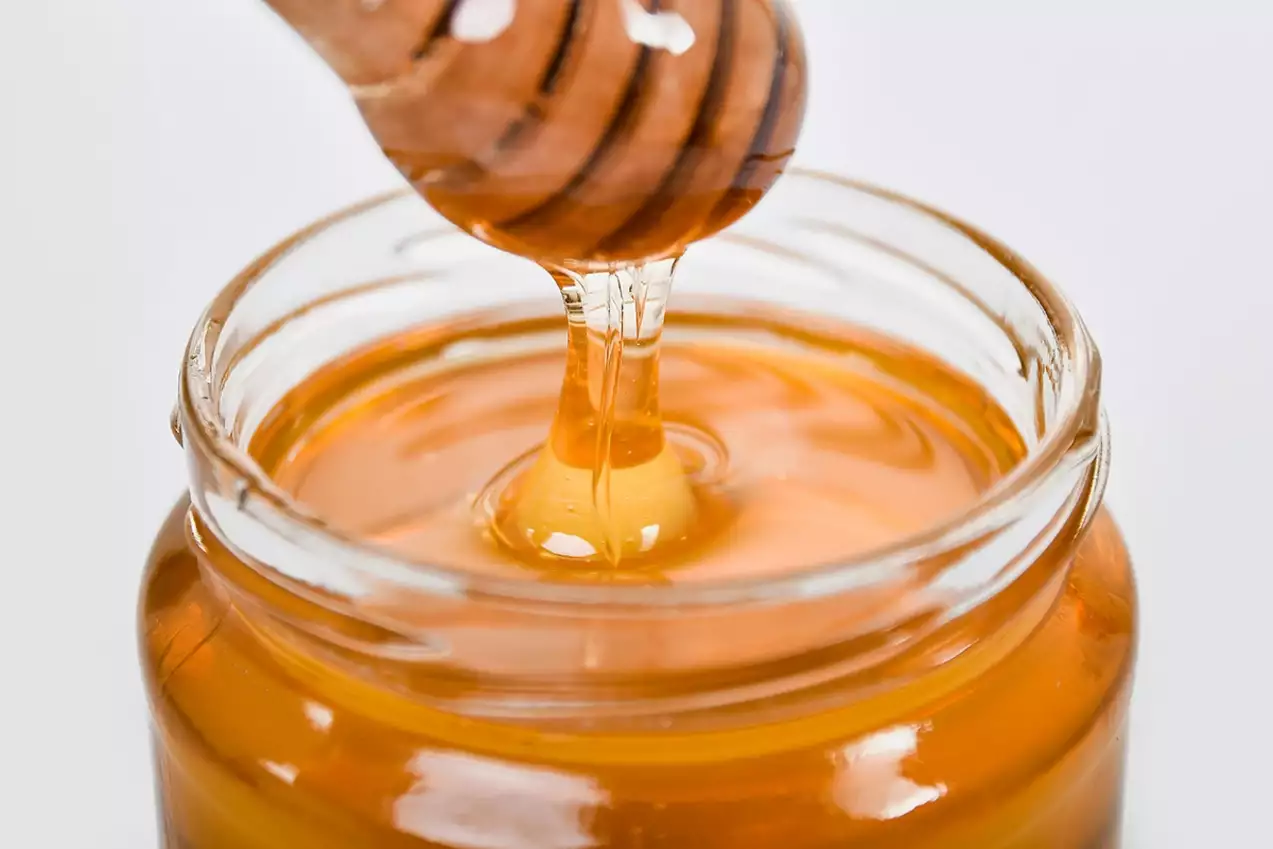
What is honeyed wine?
5 October 2025
Honeyed wine is any wine sweetened or fermented with honey, encompassing everything from pure mead to grape wine enhanced with honey, and regional styles like Ethiopian t’ej. This alcoholic beverage represents one of the oldest alcoholic beverages known to humanity, with archaeological evidence from Jiahu, China dating back to around 7000 BCE - predating many grape wines and beers by millennia.
The relationship between honeyed wine, mead, and honey wine can seem confusing at first. Different producers and regions use these terms in slightly overlapping ways, though all share honey as their defining ingredient. What unites them is remarkable versatility: honeyed wine can range from bone-dry to dessert-sweet, still to sparkling, and light session-strength to robust high-ABV sippers.
In this guide, you’ll learn exactly what sets honeyed wine apart, how it’s made, what it tastes like, and where to find it. We’ll also cover health considerations, regional styles, and practical buying tips to help you navigate this ancient yet increasingly popular beverage category.
Key Takeaways
- Honeyed wine is an alcoholic beverage where honey serves as either the primary fermentable sugar (as in mead) or a significant sweetening and flavoring agent added to grape or fruit wine bases.
- It is one of the oldest alcoholic drinks in human history, with evidence of fermented honey, rice, and fruit mixtures from China around 7000 BCE - consumed by everyone from Vikings to ancient Egyptians and Romans.
- The terms “honeyed wine,” “mead,” and “honey wine” overlap significantly; mead strictly means fermented honey and water, while honeyed wine is a broader term covering pure meads and honey-enhanced grape wines.
- Expect a wide spectrum of styles: ABV typically ranges from 6% to 18%, sweetness varies from dry to dessert-like, and carbonation can be still, lightly sparkling, or fully effervescent.
- Quality honeyed wines derive their character from honey varietals (orange blossom, wildflower, heather), optional fruits and spices, and careful fermentation rather than artificial flavors.
What Is Honeyed Wine? (Quick Answer)
Honeyed wine is an alcoholic beverage where honey is either the main fermentable sugar (as in mead) or a major sweetening and flavoring component added to grape or fruit wine. The honey provides natural sugars that yeast converts to alcohol, creating a drink distinct from standard grape wine or beer.
In everyday usage, many people and wineries use honeyed wine and honey wine as synonyms for mead. However, historically the term also meant grape wine flavored with honey, as seen in ancient Greece (oinomeli) and Rome (mulsum). These traditions treated honey as both a sweetener and a flavor enhancer for wine served at ceremonial banquets.
Honeyed wine typically falls in the 6–18% ABV range, similar to table and dessert wines depending on style and fermentation approach. Session styles like hydromel sit around 4–7% ABV, while sack meads and fortified versions can push past 14–18%.
Here’s a quick distinction:
- Mead = fermented honey and water (sometimes with fruits, spices, or herbs)
- Honeyed wine = mead or grape/fruit wine fermented with or backsweetened by honey
The difference often comes down to ingredient ratios and whether honey or grapes provide the primary sugars.
Honeyed Wine vs. Mead vs. Honey Wine
These terms overlap considerably, but historians, brewers, and marketers don’t always use them identically. Understanding the distinctions helps you know what to expect when you see these labels.
Mead is specifically a fermented drink where honey provides most or all of the fermentable sugar. Traditional mead consists of honey water and yeast, though many styles incorporate additional ingredients:
- Melomel: mead with fruit additions
- Metheglin: mead with spices and herbs
- Pyment: mead combined with grape juice
- Cyser: mead made with apples
The Beer Judge Certification Program recognizes dozens of mead categories, treating it as a distinct beverage class with specific style guidelines.
Honey wine frequently appears on modern labels as another name for mead, especially in the US where it’s taxed as wine rather than beer. Some wineries also use this term for grape wine fermented with or sweetened by honey, creating hybrid products where both honey and grapes contribute character.
Honeyed wine functions as a broader descriptive phrase historically used for wine with honey added for sweetness and flavor. It covers pure meads and grape wines enriched with honey, including regional styles like Ethiopian t’ej and historical Mediterranean varieties.
Key differences in practice:
- Traditional mead: High honey ratio (often 1:3 to 1:4 honey to water by weight), sometimes aged months to years for complexity
- T’ej-style honey wine: Around 20% honey by volume or less, consumed young within 3–6 weeks
- Modern honeyed grape wines: Variable honey additions, often aged like conventional wines
Legal definitions vary by country, but for most consumers the distinctions are about ingredient balance and flavor rather than regulatory technicalities.
Ingredients: What Is Honeyed Wine Made From?
Honeyed wine’s character derives from three main elements: honey, a liquid base, and yeast, with optional flavoring additions that create distinct styles.
Core ingredients:
- Honey: Varietals like orange blossom (citrus hints), clover (light floral), wildflower (rich regional notes), heather (robust), acacia (delicate), and buckwheat (earthy, bold) each contribute different aromas and sweetness levels
- Liquid base: Plain water for mead-style honeyed wine; grape juice or fruit juice for hybrid honeyed wines and pyments
- Yeast: Wine or mead strains like Lalvin D-47 or EC-1118, selected for alcohol tolerance (often 12–18%) and ester production that enhances floral or spicy notes
Optional additions that define specific styles:
- Fruits (melomels): Berries, apples, stone fruit, pomegranate, citrus - adding acidity, color, and complementary flavors
- Spices and herbs (metheglins): Cinnamon, clove, ginger, vanilla, chamomile, rosemary - historically used for both flavor and perceived medicinal properties
- Hops: Used in some modern craft honeyed wines for bitterness and floral notes, creating beer-inspired hybrids
- Gesho (t’ej-specific): The bark and leaves of Rhamnus prinoides provide bittering in Ethiopian honey wine, functioning similarly to hops
Quality-focused producers avoid artificial flavorings and rely on raw or minimally processed honey to preserve aromatic compounds, enzymes, and micronutrients. The terroir of local wildflower honey can make each producer’s honeyed wine distinctly regional.
How Honeyed Wine Is Made (Fermentation & Aging)
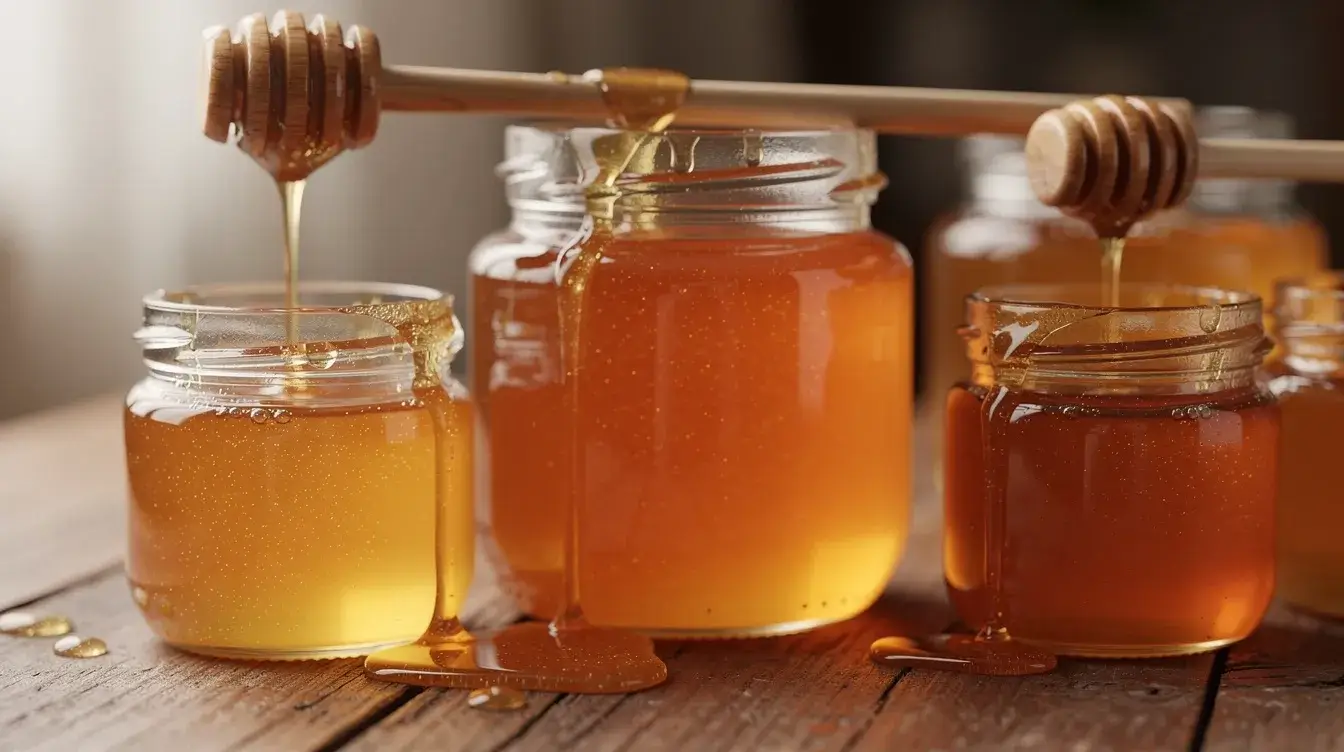
All honeyed wines rely on yeast converting honey’s natural sugars into alcohol. Honey contains roughly 80% sugars by weight (primarily fructose and glucose), making it excellent fermentation fuel. The timing and techniques used shape the final product’s sweetness, strength, and character.
Basic production process:
- Must preparation: Mixing honey with water or grape/fruit juice to achieve a target sugar level, typically a starting gravity around 1.080–1.120 for standard 10–14% ABV meads (higher concentrations for sack meads)
- Yeast pitching: Adding cultured wine or mead yeast at approximately 0.5–1g/L, along with nutrients to counter honey’s natural antimicrobial properties and low nitrogen content
- Primary fermentation: Lasting 2–8 weeks at controlled temperatures (15–25°C), during which yeast produces CO2 and alcohol
- Racking: Transferring the liquid off sediment (lees) to clarify and prevent hydrogen sulfide off-flavors
Secondary fermentation and aging varies dramatically by style:
- Traditional meads and honeyed wines often age 6–12 months, with some Russian aged myod maturing 12–50 years for complex, balsamic-like profiles
- Quick-drinking styles like t’ej may be ready in 3–6 weeks with lower ABV and fresher, yeasty notes
Clarification and stabilization typically involves:
- Cold-crashing (chilling to 0–4°C) to drop suspended particles
- Fining agents like bentonite or filtration to remove haze
- Sulfites (20–50ppm free SO2) and sorbates to protect against oxidation and allow backsweetening
Carbonation differentiates still from sparkling meads:
- Still honeyed wines are bottled flat like table wines
- Sparkling styles use bottle-conditioning (adding priming sugar for natural carbonation) or force-carbonation, similar to sparkling wine or cider
Styles & Regional Types of Honeyed Wine
Honeyed wine encompasses a spectrum of styles, from ancient ceremonial drinks to modern craft beverages in cans. Understanding the categories helps you find what suits your palate.
Classic mead-derived styles:
- Traditional mead: Only honey, water, and yeast - showcasing varietal honey character, dry to sweet depending on fermentation
- Metheglin: Spiced or herbed honey wines, historically consumed for perceived medicinal benefits
- Melomel: Fruit-based honey wines including rubamel (raspberry), blueberry, pomegranate, and dozens of others
- Pyment: Honeyed grape wine combining honey with grape juice, sitting at the intersection of mead and wine
Regional examples:
- Ethiopian t’ej: A honey wine typically 6–11% ABV, made by fermenting honey and water with gesho sticks or leaves. Traditionally homemade and served in rounded bereles vessels at Ethiopian restaurants and homes. Fermented just 3–6 weeks for a fresh, yeasty profile.
- Ancient Mediterranean honeyed wines: Greek oinomeli and Roman mulsum were grape wines sweetened with honey, served at banquets and ceremonial occasions. Mulsum often used unfermented honey blended with high-alcohol wine.
Modern craft styles:
- Session sparkling meads: Around 4–7% ABV in cans, often flavored with pomegranate, citrus, or other fruits - refreshing alternatives to hard seltzers
- Dessert honey wines: Higher residual sweetness with ABV above 14%, rich and luscious for sipping
Sweetness and carbonation spectrum:
- Dry (<10g/L residual sugar), off-dry, semi-sweet, and sweet versions
- Still, lightly sparkling, and fully sparkling options comparable to prosecco or champagne
What Does Honeyed Wine Taste Like?
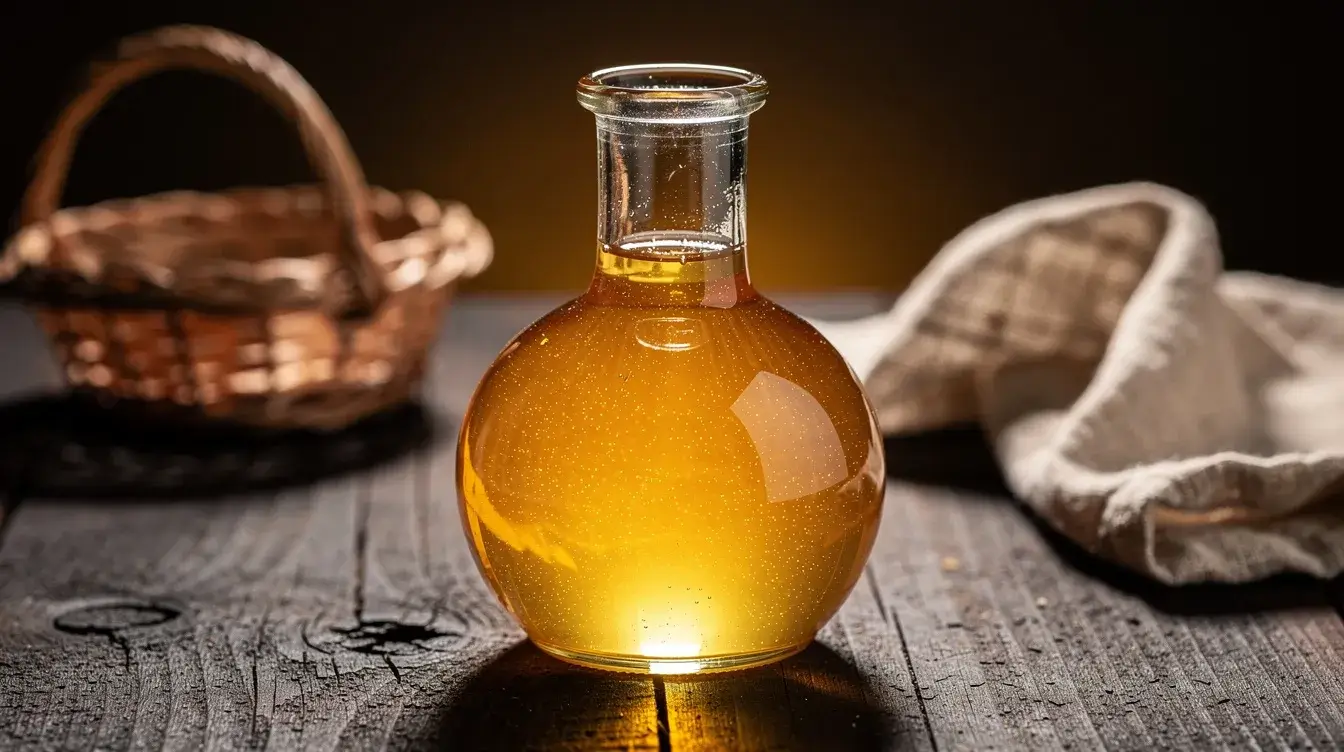
Honeyed wine’s flavor bridges white wine’s crispness, dessert wines’ viscosity, and floral liqueurs’ aromatic complexity. Crucially, drinking mead or honeyed wine doesn’t taste like eating spoonfuls of raw honey - fermentation transforms the sugars, leaving honeyed aromatics without cloying sweetness.
General flavor components:
- Honey character: Floral, herbal, or caramelized notes depending on varietal and yeast esters
- Acidity and tannin: From grapes, fruits, or botanicals like gesho, balancing sweetness
- Alcohol warmth: More noticeable in higher-ABV dessert-style honeyed wines
Sweetness levels determine the experience:
| Style | Description | Comparable To |
|---|---|---|
| Dry | Minimal residual sugar, crisp finish | Dry white wine with subtle honey perfume |
| Semi-sweet | Noticeable honeyed richness, still refreshing | Off-dry Riesling |
| Sweet/Dessert | Thick, luscious mouthfeel, pronounced honey and fruit | Moscato, Sauternes, ice wine |
Mouthfeel and aroma vary considerably:
- Sweeter versions have fuller body with visible “legs” on the glass from glycerol
- Aromas range from wildflower and orange blossom to vanilla, baking spices, stone fruit, citrus zest, and herbal notes
Serving tips:
- Serve still honeyed wines lightly chilled (8–12°C) in white wine glasses to focus aromas
- Sparkling meads benefit from colder temperatures
- Dessert styles show better slightly warmer than fridge temperature
Simple pairings:
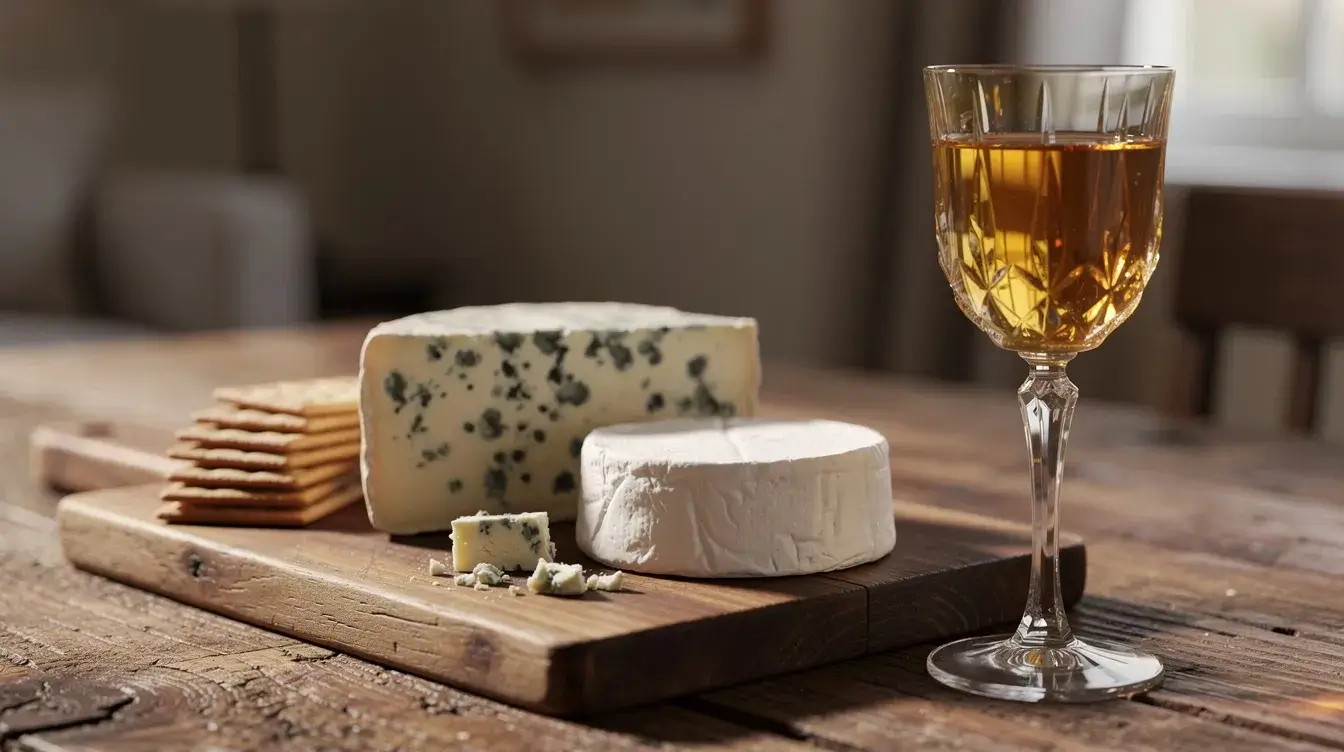
- Blue and goat cheeses (cut richness with sweetness)
- Spicy dishes (honeyed sweetness cools heat)
- Fruit-based desserts
Is Honeyed Wine Healthy? Benefits, Myths & Considerations
Honeyed wine is an alcoholic drink first and should be enjoyed in moderation regardless of any beneficial compounds honey may contribute. That said, understanding what’s real versus myth helps set appropriate expectations.
Potential positives:
- Unboiled or gently heated honey can carry antioxidants (flavonoids, polyphenols), trace minerals like potassium, and anti inflammatory properties into the final product
- Ancient cultures - Vikings, Romans, Egyptians - used honeyed wines and spiced metheglins for digestion, wounds, and general vitality, though these uses weren’t validated by modern clinical trials
- Naturally gluten-free when made without grains, making it suitable for people avoiding gluten (unlike beer or braggot)
Common myths debunked:
- Honeyed wine is not a health drink or medicine; any nutritional benefit is minor compared to alcohol’s metabolic impact
- Most of honey’s raw-enzyme activity (invertase, amylase) does not survive fermentation, so the resulting mead isn’t equivalent to consuming raw honey
- Health claims from ancient texts reflect cultural beliefs, not clinical evidence
Calories and alcohol:
- Sweet honeyed wines can be calorie-dense (200–300+ kcal per 750ml) from both alcohol (7 kcal/g) and residual sugar
- Check ABV and sweetness if monitoring intake - sweeter doesn’t always mean lower alcohol
Responsible consumption:
- Align with typical health guidelines limiting weekly alcohol intake
- Pregnant individuals, people with certain medical conditions, and those on specific medications should avoid or limit alcohol after consulting a professional
- Honeyed wine is just a beverage, not a substitute for medical treatment
Where and How to Buy Honeyed Wine
Honeyed wine is increasingly available through specialty shops, online retailers, and directly from modern craft meaderies and wineries. The category has grown significantly as mead makers expand their reach beyond local markets.
Typical retail formats:
- Standard 750ml wine bottles for still and sparkling styles
- Smaller 375ml dessert bottles for high-sweetness, high-ABV honeyed wines
- Cans (often 4-packs) for session-strength sparkling meads, similar to hard seltzers or cider
Buying tips:
- Read labels for terms like “mead,” “honey wine,” “pyment,” or “melomel” to understand whether the base is honey, grape, or a mixture
- Check ABV, sweetness description (dry to sweet), and ingredient list to match your preferences
- Look for real mead made from identifiable honey varietals and natural ingredients rather than artificial flavors
Finding quality products:
- Many regions now have dedicated meaderies producing local honeyed wines
- Support producers using local honey and real fruit or spices
- Ask staff at specialty wine shops for recommendations - brewing mead has experienced a renaissance
Storage and serving:
- Store unopened bottles in a cool, dark place like regular wine; high-ABV sweet styles can age 3–5+ years
- Refrigerate once opened and consume within 3–7 days for best freshness
- Sparkling styles lose carbonation faster, so enjoy sooner
Your first batch of honeyed wine exploration might start with a session-strength sparkling melomel in a can before graduating to a traditional bottle-aged mead.
FAQ
This section addresses common questions not fully covered above in a concise Q&A format.
Is honeyed wine the same as regular wine with added sugar?
No. Honeyed wine differs because honey contributes unique flavors, aromas (like phenylacetic acid’s floral notes), and trace compounds that plain sugar doesn’t provide. In quality honeyed wines, honey is part of the fermentation process rather than mixing honey in after the fact. Some inexpensive products may simply be grape wine sweetened with honey syrup, but traditional honeyed wines rely on fermenting honey itself for their distinctive character.
How strong is honeyed wine compared to beer or grape wine?
Most honeyed wines range between 6–18% ABV:
- Session and t’ej-style: 6–10% ABV, similar to strong beers or light wines
- Standard still honeyed wines: 10–14% ABV, like typical table wines
- Dessert and specialty versions: Can exceed 14% ABV, approaching fortified wine strength
Always check labels - sweetness doesn’t reliably indicate alcohol content. A dry mead can have the same ABV as a sweet one.
How long does honeyed wine last, and does it age well?
Unopened bottles from quality producers can age several years, especially higher-ABV and sweeter styles - sometimes gaining complexity over 3–5+ years. Some traditional meads are designed for decades of aging. Once opened, most honeyed wines are best consumed within 3–7 days when refrigerated. Delicate sparkling meads lose carbonation faster and should be enjoyed sooner.
Can people with bee or pollen allergies drink honeyed wine?
Fermentation and filtration reduce, but don’t necessarily eliminate, pollen and bee-related proteins from honey. Individuals with serious bee or honey allergies should consult a medical professional and exercise caution. While allergic reactions are relatively rare with filtered commercial products, the risk isn’t zero.
What is the best way to serve honeyed wine?
Serve most still honeyed wines slightly chilled (8–12°C) in a white-wine-style glass to concentrate aromas. Sparkling meads benefit from being well chilled. Dessert honeyed wines show their full bouquet when served a bit warmer than refrigerator temperature - around 12–15°C. Pottery vessels work for authenticity-focused t’ej service, though standard glassware is perfectly appropriate for most styles.
← Back to Blog