Italian Wine Regions Map: Your Guide to the Terroirs, Grapes & Styles to Explore
5 June 2026
If you’ve ever stared at a map of Italy and wondered why some wines taste so boldly different-even when they’re made from familiar grape varieties-this is your starting point. An Italian wine regions map isn’t just geography; it’s a shortcut to understanding climate, soil, altitude, and local traditions-all of which shape the glass in front of you.
Whether you’re a casual drinker building confidence or a curious enthusiast hunting out smaller producers, using a wine map approach can turn “I’ll try something new” into “I know what I’m reaching for, and why.” Below, we’ll explore the major Italian wine regions (and the styles they’re famous for), so you can shop with greater certainty-and discover more joyfully.
How to Read an Italian Wine Regions Map (Beyond Borders)
When people search for an Italian wine regions map, they’re often looking for a simple outline of where regions are located. But the real magic is how the map helps you predict taste.
Italy’s wine character is shaped by four main factors you can “spot” on a map:
1) Latitude & proximity to the sea
Coastal areas often have a fresh, aromatic lift, with acidity that stays crisp. Inland zones can be warmer and more fruit-forward.
2) Mountains and altitude
Higher vineyards typically bring cooler nights and slower ripening-often resulting in more tension, higher acidity, and refined aromatics.
3) Soil types
Volcanic soils can create mineral depth. Limestone often supports bright freshness. Clay and marl can contribute richness and texture.
4) Regional grape traditions
Italy’s regions are grape personalities as much as they are landscapes-Nebbiolo behaves one way in Piedmont, while Sangiovese tells a different story in Tuscany.
With that in mind, let’s move region by region-starting with the north and traveling toward the sun-drenched south.
Northern Italy: The Precision & Alpine Influence
Northern Italy is where you’ll find many of Italy’s most structured, age-worthy wines-often with cooler climates and a greater emphasis on acidity and complexity. If you love wines that feel detailed rather than merely fruity, this part of the map is for you.
Piedmont (Piemonte): Nebbiolo’s Home Territory
Think of Piedmont as the “northwest corner” of your Italian wine regions map-and the heart of Nebbiolo. This region is famous for wines that can be breathtakingly elegant, with tannins that build slowly over time.
Key grapes: Nebbiolo, Barbera, Dolcetto
Signature styles: Barolo and Barbaresco (Nebbiolo), bright fruit-forward Barbera (often slightly lower tannin), and approachable Dolcetto.
What to expect:
Nebbiolo typically offers aromas like rose petals, dried cherries, tar, and sometimes a savory hint of tea or spice. On the palate, it’s often medium to high in tannin with a long finish.
If you enjoy wines with depth and longevity, Piedmont is a must on your personal map.
Lombardy (Lombardia): Lakes, Fresh Whites & Sparkling Moments
Lombardy sits in the north with a mix of lake influence and mountain breezes. It’s less universally famous than Piedmont and Tuscany, but it’s a region full of discovery-especially for sparkling lovers.
Key areas to know: around Lake Garda and the broader alpine-influenced zones.
Key grapes: Nebbiolo (in some areas), but also varieties used for crisp whites and sparkling styles.
What to expect:
Lively acidity, bright fruit, and a clean, refreshing finish-often perfect for aperitivo moments.
Veneto: Soave, Amarone & Valpolicella’s Personality
If your Italian wine regions map has a “north-east” hotspot, that’s Veneto. Here, you’ll find both zippy whites and deeply concentrated reds.
Key grapes: Garganega (Soave), Corvina, Rondinella (Valpolicella), Corvina with appassimento techniques (Amarone).
Signature styles: Soave (fresh and mineral), Valpolicella (red fruit), and Amarone della Valpolicella (rich, powerful, dried-fruit character).
What to expect:
Soave often feels sleek and aromatic. Valpolicella leans into juicy red berry and herbs. Amarone brings warmth, concentration, and a voluptuous texture.
Veneto is an ideal region to explore if you want range-from crisp to opulent-without leaving one part of the country.
Trentino-Alto Adige: Bright Acidity & Elegant Aromatics
Often shown in a northern “arc” on the map, Trentino-Alto Adige benefits from alpine climates and dramatic elevation shifts. As a result, the wines feel crisp, fragrant, and sharply defined.
Key grapes: Pinot Grigio, Gewürztraminer, Müller-Thurgau (and others), plus local blends.
Signature styles: aromatic whites and refined reds in some sub-zones.
What to expect:
Think pear, citrus, stone fruit, floral notes, and a refreshing backbone. Even when the wine feels rich, it keeps a bright edge.
For food pairers, this region’s whites are often “plug-and-play” alongside seafood, salads, and lighter roasts.
Central Italy: Tuscany’s Elegance & Umbria’s Quiet Charm
Central Italy on your wine map is where classics become iconic: Sangiovese-driven wines, hillside vineyards, and a deep sense of tradition. This is where many wine lovers fall in love with “Italian” style as a whole.
Tuscany (Toscana): Sangiovese, Chianti & Beyond
To many people, Tuscany is the most familiar pin on an Italian wine regions map. And for good reason-Sangiovese is capable of everything from fresh, everyday charm to serious cellar-worthy intensity.
Key grapes: Sangiovese (the star), plus blends featuring Canaiolo, Colorino, and others depending on the appellation.
Signature styles: Chianti, Brunello di Montalcino, Vino Nobile di Montepulciano, and more.
What to expect:
Sangiovese often brings sour cherry, dried herbs (like rosemary or thyme), leather or tobacco notes (especially with age), and a palate that’s structured yet vibrant.
In practical terms, Tuscany is a region you can shop “by mood.” Want something bright for dinner? Look for more approachable expressions. Want something that feels like a slow conversation? Choose a more structured, age-friendly bottle.
Umbria: Sangiovese’s Neighbor with a Softer Spotlight
Umbria sits just east of Tuscany on the map. While it may not dominate headlines, it offers excellent value and a distinct voice-often earthy, elegant, and genuinely food-friendly.
Key grapes: Sangiovese and other local varieties.
Signature styles: reds that can feel rustic but refined, plus fresh whites in some areas.
What to expect:
Ripe fruit, gentle spice, and a savory, grounded finish-great with earthy dishes, mushrooms, and slow-cooked sauces.
Marche & Lazio: Coastal Wind, Hillside Structure
Marche and Lazio appear like a ribbon along the central Italian map. They can be less famous than Tuscany, but they often deliver charm, freshness, and authentic regional character.
What to expect:
Marche can be aromatic and vibrant. Lazio often adds warmth and sun-kissed fruit, with a satisfying balance of freshness and depth.
If you love uncovering lesser-known regions, these two are perfect to add to your “next discovery” list.
Southern Italy: Sun-Soaked Power, Heritage Whites & Bold Reds
On an Italian wine regions map, the south tends to feel like a gradient-from Mediterranean freshness to increasingly warm, sun-drenched styles. Expect riper fruit, fuller textures, and wines that love the table.
Campania: Naples’ Wine Identity (And Vesuvian Terroir)
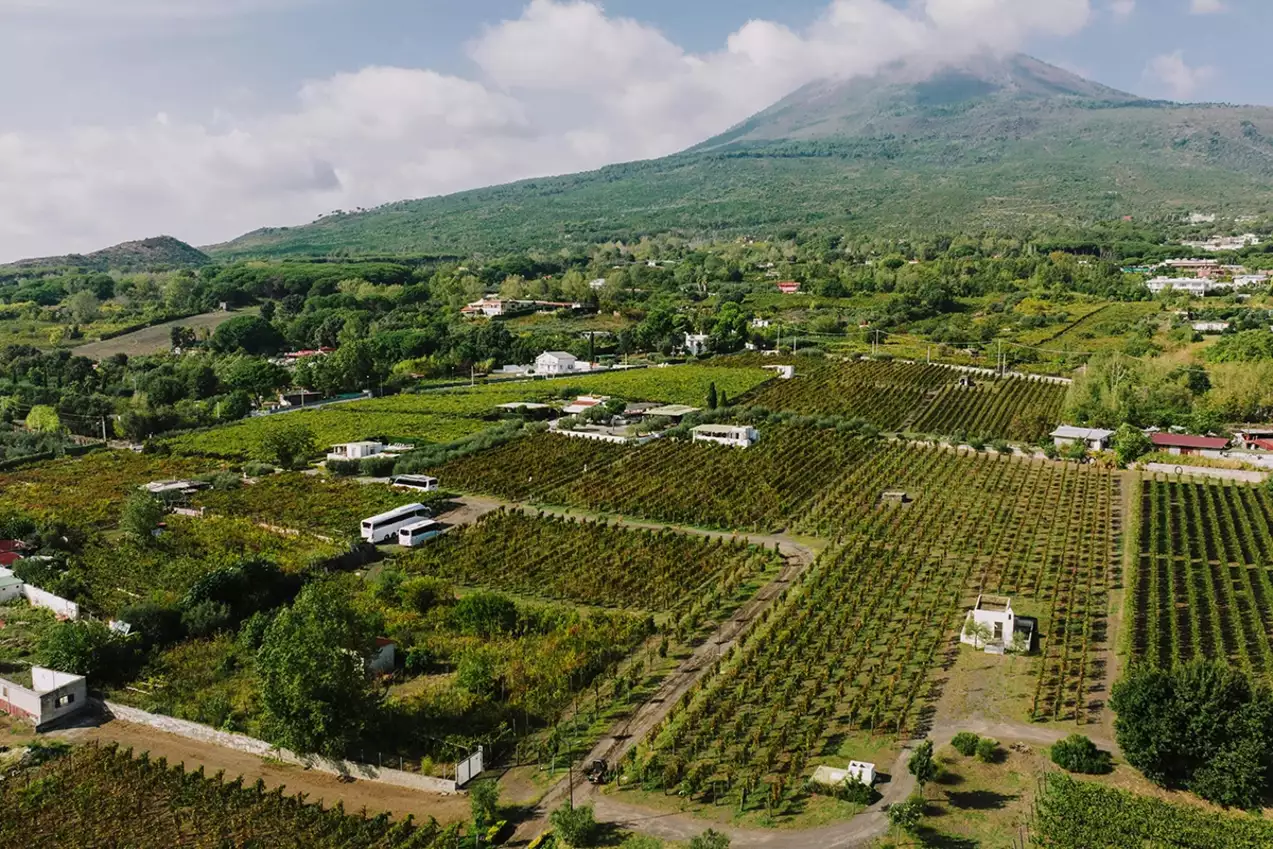
Campania is known for intensity-shaped by volcanic influence and proximity to the sea. This is the region where many people first meet the beauty of volcanic terroir in wine.
Key grapes: Aglianico (reds), Falanghina (whites).
Signature styles: deeply expressive reds and aromatic, refreshing whites.
What to expect:
Aglianico can offer dark fruit, cocoa-like depth, and a serious, structured finish. Falanghina often feels fresh, citrusy, and floral.
Campania wines are ideal if you love pizza, pasta, and flavours that crave something more substantial than a light pour.
Puglia (Apulia): Sunlight, Volume & Everyday Legends
Puglia sits in the heel on the map-and it’s become one of Italy’s most exciting regions for value and bold expression.
Key grapes: Primitivo, Negroamaro, and others.
Signature styles: rich reds with ripe fruit, smooth textures, and a generous, welcoming feel.
What to expect:
Primitivo can bring dark berry, plum, and gentle spice. Negroamaro may offer savoury notes alongside darker fruit.
If you want wines that feel instantly enjoyable-especially for casual nights-Puglia is a powerhouse.
Basilicata: The Hidden Jewel
Often overlooked on many simplified maps, Basilicata is worth seeking out. It’s home to dramatic landscapes and wines that balance warmth with depth.
Key grapes: Aglianico in particular.
What to expect:
Structured, savoury reds with a sense of place-usually less “big and sweet” than you might expect from southern sun.
For wine lovers who like authenticity over flash, Basilicata is a brilliant next step.
Sicily: Volcanic Islands & Sea-Breeze Aromas
Sicily is an entire world in itself on an Italian wine regions map. With volcanic soils, coastal winds, and diverse landscapes, it produces wines that can be both powerful and beautifully fragrant.
Key grapes: Nero d’Avola, Etna’s expressions of Nerello Mascalese, and aromatic whites (varies by area).
Signature styles: rich reds, aromatic whites, and bold expressions that can be surprisingly elegant.
What to expect:
Nero d’Avola often delivers juicy dark fruit with Mediterranean spice. Etna-influenced reds can feel more structured and mineral, with a refined edge.
If you enjoy wines that taste like they’ve been shaped by climate and geology, Sicily is a destination worth planning for.
Sardinia: Coastal Freshness & Genuinely Distinct Styles
Sardinia sits to the west on your map and feels both connected to Italy and proudly its own. The result is often a unique, local identity that stands out from the mainland.
What to expect:
Freshness, characterful whites, and reds with distinct texture and flavour, depending on the sub-region.
If you love variety and want something beyond the “usual suspects,” Sardinia will keep your tasting journey interesting.
Using the Map to Choose Your Next Bottle (By Style, Not Just Region)
An Italian wine regions map becomes most useful when you use it to guide decisions. Instead of asking, “What is this wine?” ask: “What feeling do I want tonight?” Then match that to a region.
For crisp, aromatic whites: look north-east (Trentino-Alto Adige, Veneto) and some coastal central areas.
For structured, age-worthy reds: focus on Piedmont and parts of central Italy (Tuscany, plus some surrounding regions).
For bold, sun-soaked reds: explore Puglia, Campania, Sicily, and Basilicata.
For food-friendly “table wines”: Tuscany, Umbria, and many southern regions offer wines that genuinely pair well with hearty cooking.
Pairing Ideas by Region: Match the Terroir to the Plate
Wine lovers don’t just taste grapes; we taste context. Here are simple pairing directions that often work well.
Piedmont (Nebbiolo): truffle, roast meats, mushroom dishes, aged hard cheeses.
Veneto (Soave): seafood, grilled fish, lighter pasta, creamy (but not overly heavy) sauces.
Tuscany (Sangiovese): tomato-based dishes, grilled vegetables, charcuterie, herb-forward cooking.
Campania (Aglianico/Falanghina): pizza, grilled meats, antipasti, seafood with lemon and herbs.
Puglia (Primitivo/Negroamaro): rich pasta, barbecued meats, spicy sides, hearty stews.
Sicily & Sardinia: Mediterranean flavours-citrus, seafood, roasted vegetables, and dishes with bold herbs.
How Lady Wine Can Help You Shop Like a Map-Reader
At Lady Wine, we’re passionate about making discovery approachable-so you can explore Italy without needing a degree in viticulture. Our curated approach means you can browse thoughtfully selected bottles from across regions, often featuring smaller producers and unique expressions.
Instead of overwhelming you with endless options, an Italian wine regions map mindset helps us recommend wines with clarity: you can find the right region for the right moment-whether you’re looking for something crisp, structured, or delightfully bold.
Quick Reference: Italian Wine Regions Map Cheat Sheet
If you want a fast mental model for your next search, keep this “map logic” in mind:
North: precision, altitude, freshness, structured complexity (Piedmont, Veneto, Trentino-Alto Adige).
Centre: Sangiovese elegance, classic Italian table culture (Tuscany, Umbria, Marche, Lazio).
South & Islands: sun, sea breeze, volcanic influence, rich textures (Campania, Puglia, Basilicata, Sicily, Sardinia).
Conclusion: Build Your Personal Italian Wine Regions Map
An Italian wine regions map is more than a diagram-it’s a tasting tool. By understanding where wines come from and how climate and terroir influence flavour, you move from “guessing” to “knowing.” And once you know what you’re looking for, exploring Italy becomes less intimidating-and far more fun.
Start with one region that matches your palate today. Then let your curiosity guide the next pin. Before long, you’ll have your own private map of favourites-bottles that aren’t just good, but meaningful.
Ready for your next discovery? Explore Italy-inspired selections and find a bottle that fits your mood-whether that’s fresh and aromatic, structured and elegant, or bold and sun-warmed.
← Back to Blog