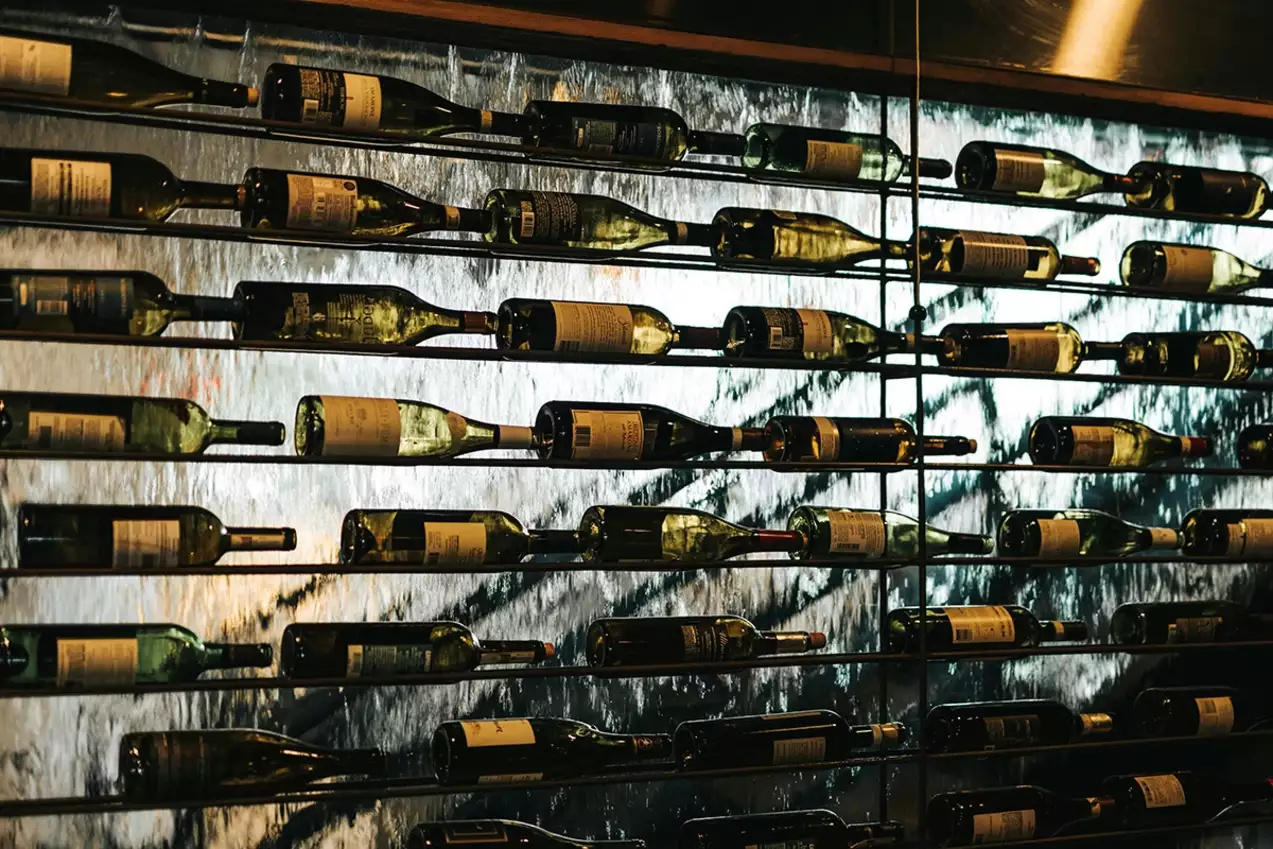
How to store wine
7 August 2025
Whether you have a modest wine collection or hundreds of wine bottles waiting to be enjoyed, proper wine storage can mean the difference between a memorable glass and a disappointing pour. This guide covers everything wine lovers need to know about keeping wine fresh, from simple closet solutions to dedicated cellars.
Key Takeaways
- Most wines are best stored at a steady 11–14°C, away from kitchens and heating appliances
- Darkness, moderate humidity (around 60–70%), and low vibration matter more than owning an expensive cellar
- Consider investing in a wine fridge when your collection exceeds 24 bottles or when you cannot maintain stable temperature at home
- Differentiate between short-term storage for bottles to drink within weeks and long-term ageing for wines meant to evolve over years or decades
- Simple solutions like interior closets, cardboard cases under beds, and basement racks work well for everyday wines from 2020–2025 vintages
Why Proper Wine Storage Matters
Poor storage can ruin wine in months, while good conditions can preserve it for decades. Wine is a living product - volatile compounds, tannins, and acids continue interacting inside every bottle. For vintages after 2015 that many readers still have at home in 2026, understanding these chemical reactions is essential.
When wine overheats above 21°C, chemical processes accelerate dramatically. Research shows wine ages roughly four times faster at room temperature compared to the ideal 12–15°C range. Heat causes cooked flavors - think stewed fruit or burnt notes - through accelerated Maillard reactions. UV rays can trigger light-struck syndrome, producing skunky aromas similar to spoiled beer.
Even everyday drinkers like a 2023 Sauvignon Blanc benefit from correct storage, though they’re more forgiving than age-worthy bottles like a 2016 Bordeaux that you might cellar for another decade.
Proper storage protects both your enjoyment and potential resale value for limited-release or collectible wines.
Basic Rules for Storing Wine at Home
These universal rules apply whether you own six bottles or six hundred.
Temperature: The ideal temperature range is 11–14°C. Stability matters more than hitting an exact number - a constant temperature of 17°C is better than fluctuating between 10–20°C. Avoid anything above 24°C, which triggers premature aging and can push corks outward.
Light: Keep bottles in a dark place away from windows and direct sunlight. Interior closets or dark corners work well. UV exposure breaks down riboflavin in wine, damaging aroma and taste.
Humidity: Aim for about 60–70% humidity level. This keeps the cork moist and maintains an airtight seal. Below 50% relative humidity, cork dries out within 6–12 months, increasing oxidation risk tenfold.
Position: Store wine bottles with natural cork horizontally. This maintains direct contact between wine and cork. Screw caps, synthetic corks, and glass closures can be stored upright since they don’t rely on cork hydration.
Vibration and odors: Avoid spots near washing machines, subwoofers, or strong smells from paint, cleaning products, and spices. Vibrations above 5Hz can disturb sediments in older wines and unfiltered red wine.
Temperature-Controlled Wine Cabinets
Modern wine cabinets are the easiest way to create cellar-like conditions in homes built after 2000. These purpose-built units maintain the correct temperature and humidity that general refrigerators cannot.
Main types include:
- Under-counter models for kitchens (20–50 bottles)
- Tall freestanding units for dining rooms (50–150 bottles)
- Compact worktop coolers for small apartments (12–24 bottles)
Single-zone wine cabinets maintain one temperature throughout - ideal for ageing collections at 12–14°C. Multi-zone units offer separate chambers, useful if you want some bottles chilled for serving while others age at warmer temperatures.
Features to look for:
- UV-protected glass blocking 99% of harmful rays
- Low-vibration compressors (Peltier thermoelectric systems run below 0.1Hz versus 1–5Hz for standard compressors)
- Digital thermostats for precise control
- Charcoal filters to absorb odors
Unlike a kitchen refrigerator running at 3–5°C with 20–30% humidity, a wine fridge sustains 60% RH and maintains temperature variance below 0.5°C.
Building Your Own Wine Cellar
A wine cellar can be anything from a converted understairs cupboard to a dedicated basement room. You don’t need an underground cellar to store wine properly.
Common locations in typical homes:
- Below-grade basements (often naturally 12–15°C)
- Insulated garage corners
- Unused larders or pantries
- Interior storage rooms away from exterior walls
Environmental targets: | Factor | Target Range | | - - –| - - - - –| | Temperature | 11–14°C | | Humidity | 60–70% RH | | Light | Minimal to none | | Air circulation | Gentle, consistent |
Basic construction involves insulation (R-13 minimum), a vapor barrier using 6-mil poly sheeting, a cooling unit if needed (1000–3000 BTU for 50–300 bottles), and proper wine rack configurations accommodating both standard 750ml bottles and magnums.
For collections exceeding 250–300 bottles or housing rare vintages, consulting a specialist ensures proper airflow modeling to prevent hotspots. A well-built cellar can add 5–10% to property value.
Quick At-Home Tips for Everyday Wine Storage
Not everyone needs equipment. Many 2020–2025 everyday wines can be stored properly with simple tricks.
Best spots in your home:
- Interior hallway closets
- Bottom shelf of a pantry
- North-facing rooms with stable temperature
The worst place to store wine:
- On top of the fridge (25–35°C from compressor heat)
- Near ovens or dishwashers
- On windowsills receiving direct sunlight
- Next to radiators
Place bottles in sturdy cardboard cases or wooden boxes to block light and buffer temperature fluctuations by 2–3°C. An inexpensive digital thermometer and hygrometer combo (around $10–20) helps monitor actual temperature and humidity in your chosen spot.
Solutions by living situation:
| Situation | Recommendation |
|---|---|
| Small apartment | Stack cases under bed, away from exterior walls |
| House with basement | Simple metal racks on interior wall |
| Renters | Portable racks in closet, monitor with hygrometer |
Short-Term vs. Long-Term Storage
Storage decisions depend on when you plan to drink the wine.
Short-term (1–3 months): Bottles for near-term drinking tolerate slightly warmer conditions around 15–20°C. A cool closet works fine for your 2024 rosé intended for summer sipping.
Medium-term (6–24 months): Wines need more stable, cool temperatures to prevent premature aging. Keep them below 16°C to maintain quality and shelf life.
Long-term (5–30+ years): Age-worthy wines like a 2018 Barolo intended for 2030–2035 drinking require strict 11–14°C, 60% humidity, and protection from light. Even small temperature fluctuations compound over several years.
Most supermarket wines drink best within a few years of vintage - only 5–10% of wines actually improve with long periods of ageing. Classic regions like Rioja Gran Reserva, Bordeaux, and Burgundy reward longer cellaring when stored properly.
Special Considerations by Closure and Bottle Type
The right storage approach depends partly on how the bottle is sealed.
Natural cork: Store horizontally to keep the cork moist through capillary action. Upright storage lets cork dries out in 2–6 months, compromising the airtight seal.
Screw-cap, synthetic cork, glass stoppers: Can store upright since they use mechanical compression rather than cork hydration.
Sparkling wines and Champagne: A cool, dark place at 4–7°C is crucial to protect bubbles by stabilizing CO2 pressure. These bottles are particularly sensitive to heat and light.
Fortified wines (Port, Sherry, Madeira): Their 17–20% alcohol acts as a preservative, allowing slightly more forgiving storage. Still avoid heat and direct light, but these sweet wines tolerate broader temperature ranges of 10–18°C.
Large formats (magnums, double magnums): Age more slowly due to favorable cork-to-wine surface ratio, making them excellent candidates for 20–50 year cellaring.
When to Use Professional Wine Storage
Off-site facilities simulate perfect conditions year-round with constant 12–13°C, controlled humidity around 65%, 24/7 security, and inventory management.
Who benefits most:
- Wine collectors with 100+ age-worthy bottles
- Investors holding rare vintages
- People in very hot climates exceeding 30°C in summer
Consider splitting your collection: keep everyday 2024 wines at home while sending 2010–2020 collectibles to insured, climate-controlled storage. Typical fees run $1–3 per bottle monthly.
For casual drinkers enjoying bottles purchased for near-term drinking, professional storage is optional. An open bottle won’t benefit from professional storage - that’s about how you protect wine at home and drink it within days.
FAQ
Can I store wine in a regular kitchen refrigerator?
Household refrigerators run around 3–5°C - too cold and too dry for long-term wine storage at only 20–30% humidity. It’s fine to chill a bottle for a few days before serving, but months inside will dry out natural corks and mute flavors. Move wines meant for ageing to a cooler room or dedicated wine cabinet.
Is it really that bad to keep wine on top of the fridge or near the oven?
Yes. These spots experience frequent temperature swings and can reach over 25°C during cooking. Repeated heating accelerates aging, pushes corks, and cooks delicate aromas in white and sparkling wines. Relocate your wine to a stable, shaded area like a low cupboard or interior closet.
Do all wines improve with age if I store them correctly?
No. Most modern wines are made to drink within 1–5 years of bottling. Only certain structured styles from specific regions - roughly 5–10% of production - evolve positively over 10–30+ years. Check producer guidance or vintage charts before deciding to cellar rather than open wine soon.
How can I tell if my stored wine has gone bad without opening every bottle?
Check physical warning signs: pushed-out corks (more than 5mm protrusion), leaking around the capsule, or unusually low fill levels indicating heat expansion. Extreme color changes like browning in young whites suggest heat damage. Open one test bottle from a case if you have doubts about storage conditions.
What’s the minimum setup I need to store wine properly in a small apartment?
Choose an interior closet or dark corner away from exterior walls, windows, and heating units. A 12–24 bottle countertop wine fridge provides ideal conditions for around $300–800. Alternatively, sturdy cardboard cases stacked under a bed work for storing bottles short-term. Monitor approximate temperature and avoid obvious hazards like gas appliances, radiators, and constant vibration.
← Back to Blog