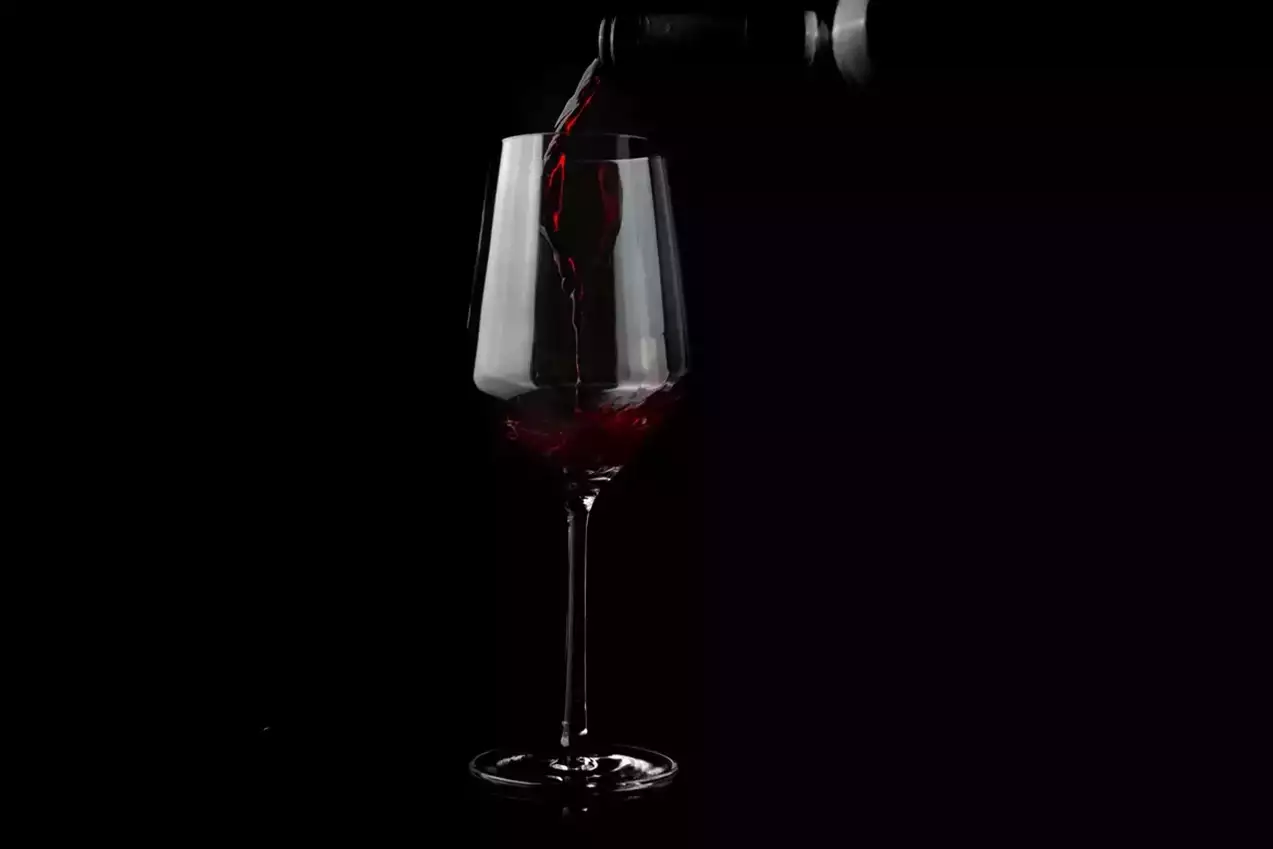
How long can you leave red wine open
10 March 2026
Most red wines stay enjoyable for about 3–5 days after opening if sealed and refrigerated properly. The exact window depends on the wine’s style, tannin level, and how you store it once the cork comes out.
Key Takeaways
- Most red wine remains drinkable for 3–5 days after opening when resealed tightly and stored in the refrigerator at 4–7°C.
- Lighter reds like pinot noir or Gamay typically last 2–3 days, while fuller, tannic reds such as Cabernet Sauvignon or Syrah can stretch to 4–6 days with proper storage methods.
- Refrigeration is recommended even for red wine you plan to serve at room temperature—just let it warm in the glass before drinking.
- Oxidation is the primary reason opened red wine deteriorates; vacuum pumps or inert gas sprays can extend shelf life by several days.
- Spoiled wine rarely poses health risks but will taste unpleasant; leftover wine past its peak works well in cooking or homemade vinegar.
What Affects How Long You Can Leave Red Wine Open?
There’s no single expiry time for an open bottle of wine. Style, storage conditions, and bottle age all influence how long wine lasts before flavors fade.
The main factors include: oxygen exposure (more oxygen means faster deterioration), temperature (cooler temperatures slow chemical reactions), light (direct sunlight degrades color compounds), tannins (higher tannin wines resist oxidation better), alcohol level (minor antimicrobial effect), and age of the wine (older wines are more fragile).
Under typical home conditions, most wines are at their best within the first 48 hours after opening. After that, quality begins a gradual decline that accelerates without proper care.
How Long Different Types of Red Wine Last Once Opened
“Red wine” covers everything from delicate, pale-ruby sippers to inky, powerful reds built for decades of aging. Each behaves differently once open.
All time frames below assume you reseal the bottle after pouring, store it upright in the fridge at around 4–7°C, and let it warm slightly before serving. These are realistic estimates for flavor quality, not strict safety limits.
Light-Bodied Red Wines (e.g., Pinot Noir, Gamay, Frappato)
Light-bodied reds have paler color, low tannin, bright fruit aromas, and are often served slightly chilled. Think fresh strawberries and cherries rather than dark plums and leather.
Typical lifespan: 1–3 days after opening; may still be drinkable on day 4 but with noticeably faded fruit.
Examples: Bourgogne Pinot Noir (2022), Beaujolais-Villages, basic Valpolicella Classico, or Frappato from Sicily.
These wines are more fragile because they lack the tannin structure to buffer against oxygen. If a light red smells dull, flat, or like bruised apples by day 3, it’s past its peak—consider using it in cooking instead.
Medium-Bodied Red Wines (e.g., Merlot, Sangiovese, Tempranillo)
Medium-bodied reds offer moderate tannin and alcohol, making them versatile everyday dinner wines that pair across multiple cuisines.
Typical lifespan: 3–5 days in the fridge once opened, sometimes stretching to day 6 if well preserved.
Examples: Chianti Classico (Sangiovese, 2020), Rioja Crianza (Tempranillo, 2019), California Merlot (2021).
Moderate tannin and acidity help these wines remain stable a bit longer than light reds. Expect flavors to shift from fresh fruit toward more stewed or oxidative notes by days 4–5, even if technically still drinkable.
Full-Bodied, Tannic Red Wines (e.g., Cabernet Sauvignon, Syrah, Malbec)
Full-bodied reds feature deep color, firm tannins, higher alcohol, and often oak aging. They’re designed for longevity both in the cellar and after opening.
Typical lifespan: 4–6 days with a tight closure and refrigeration; occasionally up to a week.
Examples: Napa Valley Cabernet Sauvignon (2018), Barossa Shiraz (2019), Mendoza Malbec (2020), Douro red blends.
High tannin acts as a natural antioxidant, slowing oxygen’s impact. Taste a small sip on days 5–6 and decide if the bouquet (aromas) is still appealing before pouring full glasses.
Red Wines With Residual Sugar (e.g., Lambrusco, Recioto della Valpolicella)
Some red wines contain noticeable sweetness, which changes how they evolve once opened. A sweet white or sweet red can sometimes change subtly faster than dry styles.
Typical lifespan: 3–5 days in the fridge, with sweetness fading or feeling heavier as acidity softens.
Examples: Lightly sparkling Lambrusco, Brachetto d’Acqui, Recioto della Valpolicella.
Sugar doesn’t automatically mean longer life. Watch for unusual cider-like aromas or unexpected fizziness in still sweet reds, which can signal refermentation. Prioritize these within 2–3 days for best balance.
Older and Delicate Red Wines
Mature reds (10+ years for many styles) and fine wines fade much faster once opened. Their remaining fruit and structure erode quickly with more oxygen exposure.
Recommendation: Enjoy the same day or within 24 hours.
Examples: Aged Bordeaux from 2010, Barolo from 2012, older Burgundy Pinot Noir from 2011.
Leaving older wines open for multiple days typically leads to flat, dried-out flavors even with refrigeration. Plan meals and guests around these special bottles so you can enjoy them at peak quality within hours of opening.
Why Opened Red Wine Goes Bad: Oxidation and Other Enemies
Oxidation is the main reason wine oxidizes and loses its appeal. When oxygen reacts with wine compounds, it dulls fresh fruit flavors and creates nutty, sherry-like, or vinegary notes. Initially, brief exposure can enhance aromas, but prolonged contact depletes them.
Polyphenols—the compounds responsible for color and tannin—break down over time. Aromas volatilize and dissipate. Heat and light accelerate this process, potentially “cooking” wine into jammy, baked flavors.
Microbial spoilage from acetic acid bacteria can contribute to vinegar notes, though this is less common under refrigeration. The good news: spoiled wine won’t make you sick, it’ll just taste unpleasant.
How to Store Opened Red Wine to Make It Last Longer
How you store open wine after the first pour can add or subtract several days of enjoyable drinking. Adopt two essential habits: always reseal promptly and always use the fridge for leftover red wine.
Seal the Bottle Tightly After Each Pour
Minimizing air contact is the single most effective habit for prolonging opened wine life.
Push the original cork back firmly (wine-side down) or use a screw cap or reusable stopper immediately after each pour. Leaving a bottle uncorked on the table for hours can cut its enjoyable life by half.
Simple silicone or stainless-steel stoppers offer a better seal than a loosely reinserted cork. Foil caps or plastic wrap alone aren’t airtight enough for more than a short period.
Store Opened Red Wine Upright
Unlike unopened bottles, opened bottles should be stored standing up. Upright storage reduces the surface area of wine exposed to oxygen inside the bottle.
This applies whether the wine is closed with cork or screw cap. Dedicate a corner of the fridge door or lower shelf to upright opened bottles. Storing on the side increases air exposure and shortens the fresh window.
Refrigerate Opened Red Wine (Even If You Serve It Warmer)
Refrigeration significantly slows chemical reactions, keeping wine in the refrigerator fresh for extra days. Place opened red wine in a standard fridge at about 4°C, then remove it 10–20 minutes before serving to warm to 13–16°C.
The myth that red wine should never be chilled confuses storage temperature with serving temperature. Lighter reds like Beaujolais or young Pinot Noir actually taste pleasant slightly cool straight from the fridge. Avoid leaving an open bottle on the counter overnight, especially in warm kitchens.
Use Wine Preservation Tools for Extra Days
Preservation devices can’t freeze wine in time, but they extend enjoyable life noticeably.
| Tool | How It Works | Added Life |
|---|---|---|
| Vacuum pumps | Remove 50–80% of headspace air | 1–3 days |
| Inert gas sprays (argon gas or nitrogen) | Create protective layer over wine | Up to 7–10 days |
| Coravin systems | Pour through needle without removing cork | Weeks to months |
Choose a method based on how often you open and partially finish bottles. A really smart idea for occasional sippers is investing in a vacuum pump—affordable and effective.
Consider Transferring Leftover Wine to a Smaller Bottle
Reducing headspace above the wine slows oxidation dramatically. Pour remaining wine into a clean half-bottle (375 ml) or small glass jar with a tight screwcap, filling as close to the top as possible.
This is especially smart if you regularly drink half a bottle at a time. Example: leftover Cabernet Sauvignon transferred to a 375 ml bottle and refrigerated can preserve near-day-one quality for 3–4 days. Label with wine name and opening date in a dark place in your fridge.
How to Tell If Your Opened Red Wine Has Gone Bad
Your senses—smell, sight, and taste—are the best tools for judging whether opened wine remains drinkable. Most spoiled wine isn’t harmful, just unpleasant. Smell and taste a small sip first rather than assuming a fixed number of days guarantees quality.
Smell: From Fresh Fruit to Vinegar or Wet Cardboard
Fresh young red wine smells of berries, cherries, plums, mild spice, and sometimes vanilla or cedar from oak.
Early oxidation appears as bruised apple, dried fruit, or flat, sherry-like notes—still drinkable but past peak. Strong vinegar, nail polish remover (acetone), or solvent-like smells indicate heavy spoilage. Wet cardboard or musty basement scents signal cork taint (TCA), which can appear even in new bottles.
If the aroma makes you recoil, skip drinking it.
Look: Color Shifts and Haze
Red wines naturally shift from vibrant purple-red toward brick or brown edges as they oxidize. Slight color change over a few days is normal, but uniformly brown, dull appearance suggests significant oxidation.
Harmless sediment or tartrate crystals at the bottom of older bottles are normal. Unexpected cloudiness in previously clear wine or film on the surface indicates microbial activity—discard it. Hold the glass against white paper to better see color and clarity.
Taste: Flat, Sour, or Bitter
Taste is the final check after smell and appearance. If aroma is clearly off, you don’t need a full sip.
Early oxidation tastes less fruity, more hollow, slightly nutty or tea-like. Advanced spoilage tastes aggressively sour, harsh, or vinegary with an unpleasant finish. Unexpected fizziness in a still wine (not sparkling wines or naturally effervescent styles) can indicate unwanted fermentation. If smell and taste both seem wrong, discard or use only for cooking.
Practical Tips: Matching Your Drinking Habits to Red Wine Shelf Life
Understanding how long wine lasts helps you buy smarter and waste less. Adapt purchasing and storage habits to your actual consumption patterns rather than forcing yourself to overdrink to “save” a bottle.
If You Typically Drink One Glass at a Time
Buy robust, tannic reds (Cabernet Sauvignon, Syrah, Tempranillo) that last longer once opened. Invest in a basic vacuum pump or inert gas spray to stretch an open bottle over 4–6 days.
Always refrigerate leftover wine and plan to finish within the week. Consider Coravin if you frequently open good wine but only drink a glass or two. Track how a single bottle evolves over several days—it’s educational for recognizing personal preference in oxidation levels.
If You Usually Drink Half a Bottle in an Evening
Transfer the remaining half into a smaller bottle or jar with minimal headspace, then refrigerate immediately. This keeps medium-bodied reds in near-day-one condition for 2–3 extra days.
Plan menus to pair the same bottle with different meals over two nights. Choose versatile styles like Chianti, Côtes du Rhône, or Spanish Crianza. Always mark the opening date on the bottle.
If You Often Host Dinner Parties
Choose a mix of lighter and fuller reds. Open lighter bottles closer to serving time and fuller bottles slightly earlier since they benefit from brief aeration.
If several bottles are partially finished, prioritize light reds the next day and save robust reds for later in the week. Keep neutral half-bottles or containers handy to consolidate leftovers. Setting up a “leftovers station” near the fridge ensures bottles get re-corked promptly.
Leftover red wine from events is perfect for freezing in ice cube trays—a smart idea for building a cooking wine collection for sauces and stews.
FAQs
These questions address practical edge cases about keeping wine fresh that weren’t fully covered above.
Can I leave red wine open overnight on the counter?
Wine left open on the counter overnight (uncorked or loosely corked) is rarely unsafe, but it loses significant aromas and freshness. At room temperature above 21°C, oxidation accelerates and can make wine noticeably flatter by the next evening. Use it for sauces, braises, or marinades rather than sipping.
Is it safe to drink opened red wine after 2 weeks?
From a safety perspective, properly sealed wine stored in the fridge is unlikely to make a healthy adult sick after 2 weeks. However, quality will almost always be very poor. Beyond 7–10 days, even robust reds taste heavily oxidized or dull. Discard or use for cooking only if it still smells clean.
Does decanting reduce how long red wine lasts once opened?
Yes. Decanting increases surface area contact with air, speeding oxidation. While this benefits short-term aeration for drinking, it shortens overall life. Pour leftovers back into a clean, smaller bottle, seal tightly, and refrigerate to minimize further oxidation.
Can I store opened red wine in a wine fridge instead of a kitchen fridge?
A wine fridge at 10–13°C slows oxidation more than room temperature but less than a standard kitchen fridge at 4°C. Both work—choose based on convenience. Consistent use of either beats forgetting bottles on the counter.
Can I mix leftover red wines from different bottles together?
Blending leftovers isn’t harmful and can create efficient “house blends” for cooking. However, mixing very different styles (delicate oaked chardonnay-paired Pinot Noir with powerful Cabernet) usually doesn’t taste great for drinking, especially if one is already oxidized. Reserve mixed leftovers for sauces, stews, and reductions. This applies to red and white wine leftovers as well—rosé wines, fortified wines, opened white wines, full bodied white wines, light white wines like sauvignon blanc, sparkling wines, prosecco, and champagne all have different characteristics. Note that sparkling wines lose carbonation quickly, so use a sparkling wine stopper. Tank method sparkling wine (tank method prosecco, for example) typically holds bubbles less long than traditional method wines due to fewer atmospheres of pressure. Other wines like fortified wines can last much longer—often weeks—thanks to higher alcohol and added grapes spirit.
← Back to Blog