How White Wine Is Made: From Vineyard to Bottle (A Step-by-Step Guide for Wine Lovers)
4 May 2026
White wine starts long before the first sip
There’s something effortlessly inviting about a glass of white wine-whether it’s crisp Sauvignon Blanc, buttery Chardonnay, floral Viognier, or a bright, bubbling sparkling cuvée. But behind that glass is a detailed, carefully controlled process designed to capture freshness, texture, and aroma.
In this guide, we’ll walk through how white wine is made-from choosing the grapes to pressing, fermenting, ageing, and bottling-so you can understand what’s happening in the bottle. Even better, you’ll learn what to look for when choosing wines at LadyWine.co.uk, where we love helping you discover styles and producers you might not have tried yet.
1) Choosing the grapes: white wine begins in the vineyard
White wine is made from grapes that can be green-skinned (like Sauvignon Blanc) or even red-skinned varieties (like Pinot Noir) when winemakers handle them in a way that keeps the juice “white.” That single detail explains why you’ll find white wine made from a mix of grape types-especially in sparkling wine production.
What matters most in the vineyard is:
Ripeness: determines sugar levels (which influence alcohol) and acidity (which defines freshness).
Acidity: is essential for the bright, clean taste many people love in white wines.
Phenolic composition: affects bitterness, texture, and sometimes colour and aroma.
Terroir: soil, slope, climate, and sunlight all influence flavour-think of how mineral notes in cooler regions feel “tight” or how warmer sites can bring riper, richer fruit.
Harvest timing: picking at the right moment
One of the biggest differences between great white wines and average ones is timing. Many winemakers harvest with precision, aiming to balance:
Sugar maturity (for body and alcohol potential)
Acid retention (for crispness)
Aromatic development (for the fruit-and-flower profile you smell in the glass)
Grapes can be picked earlier for zesty, high-acid styles-or later for more ripe stone fruit, honeyed notes, and a richer texture.
2) Sorting and crushing: protecting flavour before it begins
After harvest, grapes are typically sorted. This may be done manually (common in boutique estates) and/or mechanically to remove leaves, underripe fruit, and damaged berries.
Then the grapes are crushed-gently. For many white wines, winemakers aim to minimise damage to the skins, because skin contact can introduce extra bitterness and colour through natural compounds.
Important note: white wine can come from red grapes, but the key is separating juice from skins early. Once the juice is separated, it’s much less likely to take on the deeper colour associated with reds.
3) Pressing: how white juice becomes the foundation
Pressing is where many of the style differences begin. Modern winemaking often uses pneumatic presses, which apply pressure slowly and evenly. This helps extract juice while limiting harsh, unwanted compounds.
Most producers press at a controlled temperature. The goal is to preserve delicate aromas and prevent premature oxidation (the “stale” or bruised fruit character you never want in white wine).
The juice is usually separated from the skins very quickly-especially for fresh, aromatic white styles.
Whole bunch vs. skin contact: the role of contact time
Not all white wines follow the same approach. Some winemakers use:
No skin contact: common for crisp, clean whites like many Loire Sauvignon Blancs or many German Rieslings.
Short skin contact: used to add subtle texture and aroma-particularly in fuller-bodied whites.
Long skin contact (“orange wine” style): seen in natural and some artisanal productions, where white grapes ferment with skins for an oxidative/phenolic result. The wines can be amber-toned and more tannic.
At LadyWine.co.uk, we often encourage exploration-so don’t be afraid to try a style that’s slightly outside the classic “white = light and crisp” idea.
4) Settling: clarifying the juice for a cleaner ferment
After pressing, the juice is often allowed to settle. This lets heavier solids sink while the clearer liquid is separated. It can improve clarity, reduce harshness, and help the fermentation behave more predictably.
Temperature control is still crucial here. Chilling the juice slows down unwanted activity while protecting fresh aromas.
5) Fermentation: turning grape juice into wine
Fermentation is the transformation moment: yeast converts sugar into alcohol and carbon dioxide. But the choices made here-temperature, yeast selection, and whether malolactic fermentation happens-greatly influence the final style.
Yeast and temperature: deciding the wine’s “personality”
Winemakers can ferment with:
Selected yeasts: chosen to enhance certain aromas and ensure reliable performance.
Native/indigenous yeasts: naturally occurring yeasts from the cellar and vineyard that can create a more distinctive, site-expressive style.
Temperature is one of the most important tools. Many cool-climate or aromatic whites ferment at lower temperatures to preserve freshness and fruit intensity-think bright citrus, green apple, and herbal notes.
Riper, richer whites may ferment warmer to encourage complexity.
Stainless steel vs. oak: the biggest flavour switch
Where fermentation happens often dictates the wine’s texture and aroma. Two common approaches:
Stainless steel fermentation: typically emphasises purity, freshness, and crisp aromatics. These wines often taste clean and vibrant, with minimal oak influence.
Oak fermentation and/or ageing: adds depth, creamy texture, and sometimes spice or toasted notes. Oak can also enhance a wine’s structure, helping it feel fuller on the palate.
Chardonnay is the classic example: the same grape can taste dramatically different depending on oak use and fermentation choices.
6) Malolactic fermentation: from sharp to silky (sometimes)
Many white wines undergo malolactic fermentation (MLF). This is when malic acid-associated with sharper, “tangier” acidity-transforms into lactic acid, which tastes softer and rounder.
Not every white wine goes through MLF. It’s more common in:
Richer styles like many Chardonnays and some aged whites.
Wines that aim for creamy textures and a rounded finish.
Wines aiming for very crisp, high-acid character often avoid or limit MLF through temperature management and winemaking choices.
7) Ageing: building flavour, texture, and longevity
Once fermentation is complete, the real “shaping” continues. Ageing decisions influence everything from fruit expression to mouthfeel.
On lees: the secret to richer, fuller white wines
Many white wines are aged on their lees-the dead yeast cells left after fermentation. This can add:
Bread-biscuit or brioche-like aromas (especially in sparkling wines)
Extra texture and body-often described as creamy or silky
Improved integration of acidity and flavour
Winemakers may stir the lees (bâtonnage) to increase these effects.
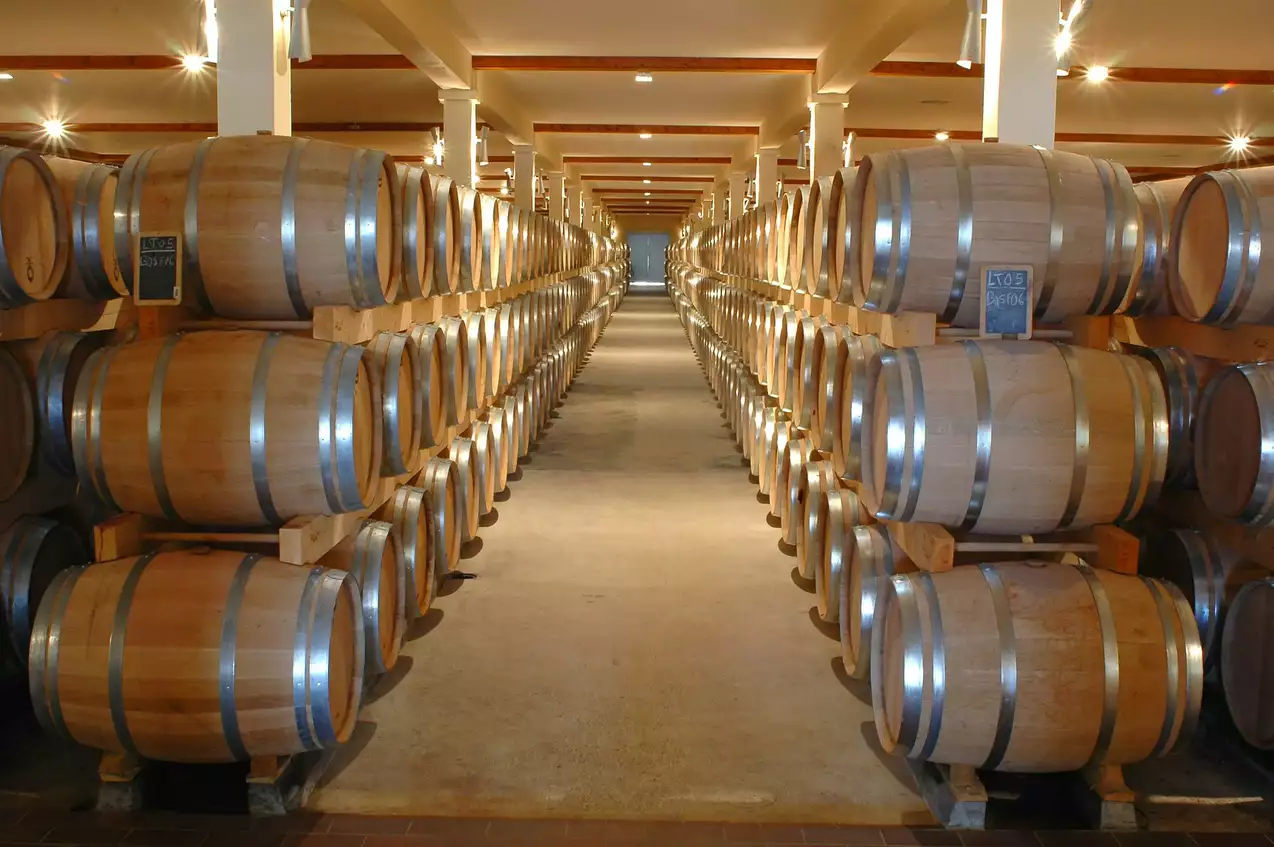
Oak ageing: structure and nuance
For oak-aged whites, the type and size of barrel matter. Smaller barrels (like barriques) have a stronger relationship with the wine because the oak-to-wine ratio is higher. Larger barrels (like tonneaux) impart oak influence more gently.
Oak ageing can contribute:
Vanilla, toast, and spice notes
Texture and weight
Complexity over time
However, the best oak-aged whites don’t taste “like wood”-they taste like balanced depth, where oak supports the fruit rather than covering it.
8) Blending: creating harmony from multiple lots
Even in boutique wine making, wines are often produced in batches (lots) based on vineyard parcels, ripeness levels, or different pressing/fermentation methods. Blending allows winemakers to create a final wine that is greater than the sum of its parts.
During blending, they consider:
Acidity balance for freshness
Flavour profile (citrus, tropical fruit, stone fruit, floral notes)
Texture (light and crisp vs. creamy and structured)
Length (how long the finish lasts)
9) Stabilisation, fining, and filtration: clarity without losing character
After ageing, winemakers prepare wine for bottling. Some wines are stabilised to reduce haze and ensure consistency during storage and transit.
Depending on the producer’s style, filtration and fining may be used. The goal is to achieve clarity and stability while retaining flavour.
As with everything, there’s a spectrum-from minimal intervention styles to more traditional approaches. Both can make beautiful wine; what matters is how the methods serve the wine’s overall balance.
10) Bottling: the final step before your glass
Before bottling, winemakers taste and evaluate the wine one last time. They may adjust small parameters like sulphur dioxide levels (used for preservation) depending on the wine’s needs.
Bottling is done with care to avoid oxygen contact. Then the wine can rest further in bottle before release.
How white wine styles differ: why one bottle tastes so different from another
Now that you understand the core process, it’s easier to see how different choices create distinct styles.
Crisp and aromatic whites (e.g., Sauvignon Blanc, many Rieslings)
Typical approach:
Early harvesting for higher acidity
Gentle pressing with minimal skin contact
Cool fermentation in stainless steel
Often no malolactic fermentation to keep acidity vibrant
The result: lime, grapefruit, green apple, floral perfume, and a clean finish.
Full-bodied, creamy whites (often oak-influenced Chardonnay styles)
Typical approach:
Riper fruit or selected parcels
Fermentation in oak or with lees ageing
Possible malolactic fermentation for softer acidity
The result: peach, baked apple, vanilla-like complexity, and a broader palate.
Mineral, textured whites (frequently from cooler regions)
Typical approach:
Low-temperature fermentation and careful handling
Lees contact or subtle oak use
Precision blending to preserve tension while adding depth
The result: tight citrus, chalky or stony impressions, and an elegant, lingering finish.
Sparkling white wine (how it changes the rules)
For sparkling wines, white wine-making begins similarly-pressing, clarifying, and fermenting base wine. But then comes the second fermentation and the methods used to create bubbles.
In many traditional-method sparkling wines, a base wine is blended (if needed), then bottled with additional yeast and sugar. A second fermentation in the bottle creates carbon dioxide, and ageing on lees builds texture and complexity.
At LadyWine.co.uk, sparkling is one of the most joyful categories to explore-especially when you enjoy the way winemaking decisions affect the bubble size, creaminess, and aroma.
What “good white wine” often has in common
Regardless of whether it’s crisp or creamy, many quality indicators appear across styles:
Freshness: the wine tastes alive, not flat.
Balance: acidity and fruit feel integrated, not competing.
Clean aroma: you get fruit and floral notes rather than oxidation or sourness.
Texture: even simple wines have a deliberate palate feel-light, silky, or gently structured.
Length: the finish doesn’t disappear instantly.
How to choose white wine with this knowledge
Now you can read a label and think beyond grape names. Here are practical cues you can use when browsing:
Look for “unoaked” or “stainless steel” statements if you want crisp freshness.
Look for oak/“barrel aged” language if you want creamy texture and added complexity.
Consider region climate: cooler climates often feel sharper and more mineral; warmer areas can bring riper fruit and fuller body.
Check alcohol and acidity cues (where available): higher alcohol can point to riper fruit; higher acidity often signals a sharper, zestier profile.
Match the style to food: crisp whites love lighter dishes, while fuller whites handle richer flavours.
Try discovering your next favourite with LadyWine.co.uk
Understanding how white wine is made is a shortcut to tasting with intention. Once you know how pressing, fermentation temperature, oak use, lees ageing, and malolactic fermentation shape the final wine, every bottle becomes a story you can taste.
That’s exactly the spirit behind LadyWine.co.uk: curated bottles from across the world, chosen for distinct character-whether you’re hunting for bright citrus purity, elegant mineral tension, or creamy, oak-kissed complexity. Browse the range, explore different styles, and let the winemaking process guide you to wines you genuinely enjoy.
A final toast: the craftsmanship behind white wine’s effortless charm
White wine may feel simple in the glass, but it’s the result of careful decisions at every stage: from harvest timing and gentle pressing to temperature-controlled fermentation and the finishing touches before bottling. Those choices shape everything-from aroma and acidity to texture and how long the wine lingers.
So the next time you open a bottle, take a moment. Think about the journey the juice took to become wine-and enjoy the knowledge that helps you taste even more.
← Back to Blog