How Red Wine Is Made: From Grapes to Glass
3 August 2026
Wine has a way of turning everyday moments into something worth remembering-and few styles are as iconic or as endlessly varied as red wine. Yet when people ask how red wine is made, they’re often looking for more than a simple checklist. They want to understand the craft, the choices, and the quiet decisions that shape everything from flavour and colour to tannin and ageing potential.
In this guide, we’ll walk through the red winemaking process from vine to bottling. We’ll also connect each stage to the experiences wine lovers care about: why some reds taste fruit-forward and plush, while others feel structured, earthy, or intriguingly savoury. Along the way, you’ll see how a bottle’s character can begin with grape variety, but is refined (sometimes dramatically) by techniques used in the cellar.
1) It Starts in the Vineyard: Growing the Right Grapes
Before any fermentation begins, red wine starts far from the cellar-in the vineyard. Winemaking begins with grapes, and grapes begin with site, climate, soil, and timing.
Different grape varieties develop different flavours and structures. For example, Cabernet Sauvignon often brings firm tannins and dark fruit; Pinot Noir tends to be more delicate, with red-fruited aromas and softer tannins; Syrah can show peppery spice and deeper, savoury notes. But even within the same variety, the vineyard influences sugar ripeness, acidity, and phenolic development (the compounds that later contribute to colour and tannin).
One of the most important vineyard decisions is when to harvest. Harvest too early and the wine may taste sharp or green. Harvest too late and it can become overly ripe, heavy, and low in freshness. Winemakers frequently monitor grapes for both sugar (for alcohol potential) and acidity, but they also pay close attention to phenolics-because those “colour and tannin” elements are built early in the grape’s life and evolve as it ripens.
2) Harvest and Sorting: Choosing What Goes Into the Tank
Once grapes are harvested, quality control begins immediately. Many producers sort fruit (sometimes by hand, sometimes with mechanical and optical sorting) to remove leaves, unripe berries, or damaged grapes. This step matters because unwanted flavours can come from mildew, rot, or overly green grapes.
At this stage, you’ll often see a producer choose between whole-bunch inclusion or destemming. Whole-bunch fermentation (where some or all stems are included) can add subtle structure and freshness-often noticeable in certain styles, especially in cool climates. Destemming typically leads to a cleaner, more fruit-driven profile because stems can contribute firmer tannin and herbal notes if used heavily.
3) Crushing and Maceration: The Key to Red Wine’s Colour and Texture
Red wine gets its colour and much of its texture during maceration-the period when grape skins are in contact with the grape juice (must). Unlike white wine, red wine is fermented with the skins (and sometimes stems), allowing pigments called anthocyanins to dissolve into the liquid.
Here’s the crucial idea: the juice itself is usually not red. The “red” in red wine is largely extracted from the skins. During maceration and fermentation, winemakers manage how much colour and tannin is pulled from the skins and seeds.
This is where winemaking techniques really begin to diverge:
How extraction is managed
Common methods include:
Temperature control: Fermenting at cooler temperatures can preserve delicate fruit aromas. Warmer fermentations generally extract more colour and tannin, but can also feel harsher if not managed carefully.
Punch-downs and pump-overs: The “cap” of skins floats to the top during fermentation. Winemakers either push it down into the juice (punch-downs) or pump liquid over it (pump-overs) to increase extraction.
Extended maceration: Some producers extend skin contact after fermentation to build texture and depth. This can add richness, but the balance depends heavily on grape quality and tannin quality.
The length of maceration varies widely. A lighter, more elegant style might use shorter skin contact. A richer, more structured style may use longer maceration-but not as a rule. Quality, varietal character, and desired style matter more than a fixed timetable.
4) Alcoholic Fermentation: Yeast Turns Sugars into Alcohol
After grapes are crushed and maceration begins, alcoholic fermentation starts. Yeast converts grape sugars into alcohol and carbon dioxide. Fermentation temperature is a major lever: it affects both aromatic expression and the efficiency of extraction from skins.
Producers may use native (wild) yeast from the winery environment, or cultured yeast chosen for reliable fermentation and specific aromatic outcomes. Native yeast can deliver complexity and a sense of place, while cultured yeast can offer consistency-especially helpful if fruit arrives with conditions that make fermentation less predictable.
During fermentation, the must becomes an active, evolving mixture. Winemakers taste regularly, monitor temperature, and decide when and how to manage extraction, balancing intensity with elegance.
5) Pressing: Separating Wine from Skins and Seeds
When fermentation nears completion, the wine is pressed to separate liquid from solids (skins and seeds). Pressing technique influences quality. Gentle pressing tends to extract less harsh material from the seeds, while more aggressive pressing can add bitterness or over-dry tannins.
Many higher-quality producers also separate portions-sometimes called free-run and press fractions-and then blend later. This gives them control over texture and overall balance in the final cuvée.
6) Malolactic Fermentation: Smoothing Acidity for a Harmonious Red
After pressing, many red wines undergo malolactic fermentation (MLF). This biological process converts sharper malic acid into softer lactic acid, reducing acidity intensity and adding creamy or buttery nuances depending on conditions and timing.
Not every red must go through MLF, and some producers manage it carefully or delay it to preserve freshness. But in many styles-especially those aimed at drinkability-MLF helps red wine feel rounder and more integrated.
7) Ageing in Oak or In Tank: Building Flavour and Structure
Once the fermentation phase settles, the wine enters the ageing stage. This is where many wine lovers begin to notice “differences you can taste,” because ageing choices strongly influence flavour and texture.
Oak ageing
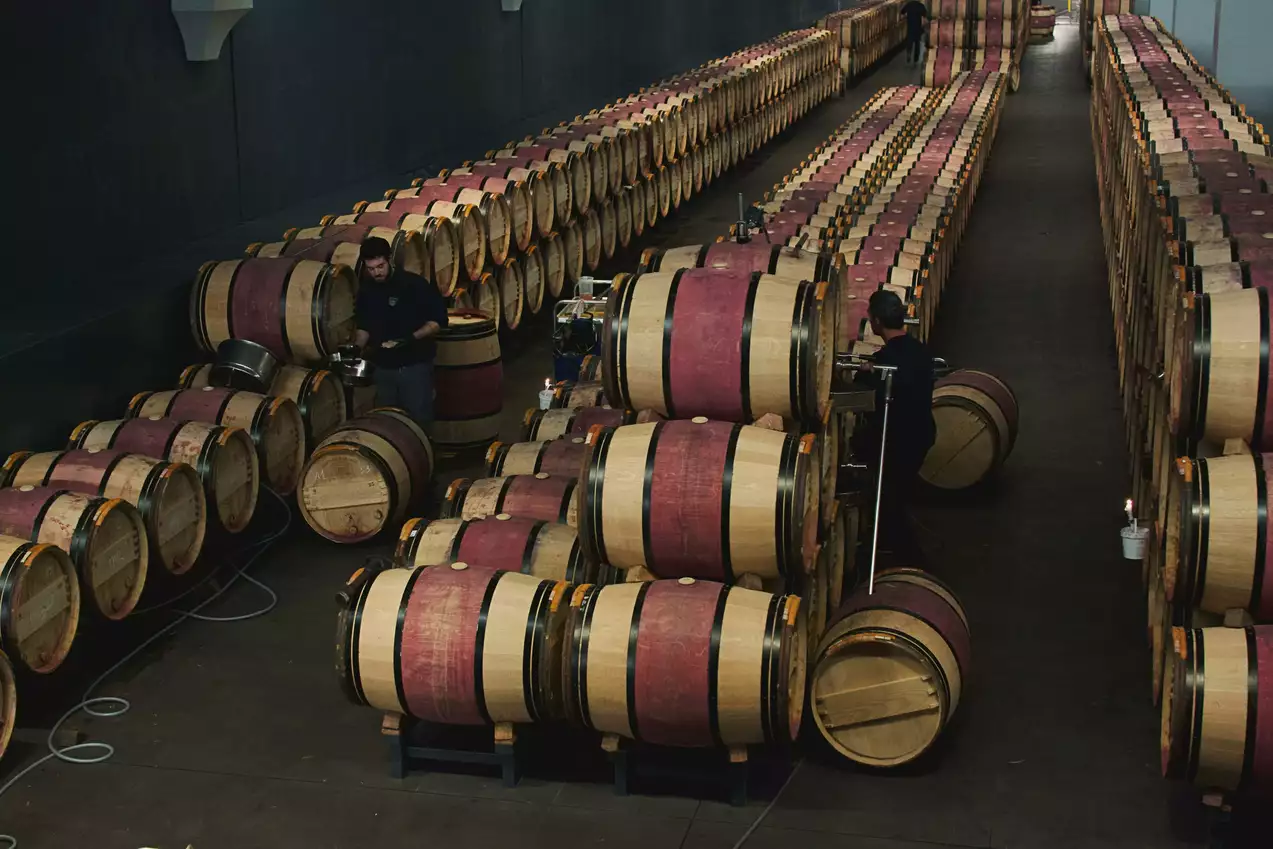
Many red wines are aged in oak barrels or barriques. Oak can add aromas such as vanilla, toast, baking spice, and sometimes subtle smoky notes. But oak also contributes tannin and can affect how quickly wine softens.
Winemakers choose:
Barrel size: Smaller barrels impart more oak character per volume; larger formats can add less intensity.
New vs neutral oak: New oak gives more pronounced flavour; neutral oak can support texture without dominating.
Toasting level: Lighter toast can feel more delicate; heavier toast can feel richer and more aromatic.
Tank ageing
Some reds age in stainless steel or other inert vessels. This tends to preserve fresh fruit character and reduce the obvious influence of oak. Tank ageing can be a great fit for varietals and styles that rely on brightness and purity rather than overt wood spice.
Whether a red wine is aged for a short period or several years depends on the producer’s philosophy and the grape quality. Some wines are designed for early enjoyment, while others are built for long ageing-where tannins gradually knit together and fruit evolves into secondary notes.
8) Blending: Creating Balance, Consistency, and Signature Style
Even if a producer has a single vineyard block or a single varietal, they may still make multiple base wines. Blending helps achieve the desired balance of fruit, acidity, tannin, and aromatic complexity.
Common blending goals include:
Ensuring consistency: A producer’s house style may remain recognisable year to year.
Compensating for vintage variation: Some years bring more acidity, others more ripeness. Blending helps adjust.
Combining strengths: One lot might be exceptionally aromatic, another especially structured.
For wine lovers, blending can be a quiet magic trick. Two bottles can share the same grape name, but taste profoundly different because of how the pieces were combined.
9) Fining and Filtration: Preparing for Clarity and Stability
Before bottling, winemakers often stabilise the wine. Many producers use fining agents to help remove proteins or tannins that could cause haze later. Filtration can improve clarity and reduce microbial risk.
Not every winery follows the same approach. Some prefer minimal intervention to preserve texture and aromatics, while others prioritise stability and consistency for distribution. Either way, these steps aim to ensure the wine tastes its best when it reaches your glass.
10) Bottling and Ageing in Bottle: The Final Transformation
After bottling, wine continues evolving. Even a “ready to drink” red may benefit from a few months of bottle rest to integrate. Ageworthy wines can soften dramatically over years as the structure harmonises and fruit turns into more complex, savoury expressions.
Storage conditions matter: wine generally performs best in stable, cool environments away from sunlight and excessive vibration. If you’re building a cellar-or simply planning to hold onto a special bottle-proper storage can help preserve what the producer intended.
Why Red Wine Tastes the Way It Does: Key Factors Across the Process
Now that you know the steps, it’s easier to decode what you’re tasting. Here are the most important drivers of red wine style, mapped to the winemaking process.
1) Colour and tannin extraction
Skin contact (maceration) and extraction methods influence both colour intensity and tannin structure. Longer or more aggressive extraction often creates a firmer, darker wine-though quality and phenolic ripeness are essential for “fine tannins” rather than dryness.
2) Ripeness and balance
Harvest timing sets the foundation for fruit sweetness and acidity. Even with the same winemaking techniques, grapes harvested at different ripeness levels will create different outcomes.
3) Fermentation management
Temperature and yeast choices affect aromatic expression. They can shift a red from fresh and lifted to deeper and more brooding, depending on the style.
4) Oak and ageing choices
Oak ageing influences not just flavour (vanilla, spice) but also the texture and pacing of tannin. Tank ageing can highlight pure fruit and preserve brightness.
5) Blending
Blending ties everything together into a coherent final wine. This is often where “varietal character” and “producer signature” meet.
Exploring Red Wine with Confidence: What to Look For
When shopping for red wine-whether you’re browsing a bold Bordeaux-style blend, seeking an elegant Burgundy-like Pinot Noir, or trying a modern, fruit-driven Mediterranean red-remember that “style” is the result of many decisions in the cellar. Labels won’t always tell you exactly how the wine was made, but certain cues often point to key choices.
Signs of gentle extraction and finesse
If a red tastes silky and aromatic with smooth tannins, it may have had careful extraction, possibly shorter maceration or more precise fermentation management.
Signs of deeper structure and longer ageing
Richer reds with firm, grippy tannins and deeper flavours may reflect longer skin contact and/or oak ageing intended to build structure.
Fruit-forward vs earthy complexity
Fruit-forward reds can come from cooler fermentation management, inert ageing, or oak choices that stay in the background. More earthy and savoury expressions can appear with longer ageing, certain varietals, whole-bunch inclusion, or extended lees and skin contact practices.
Red Wine Made for Real Life: From Cellar Craft to Your Table
Understanding how red wine is made doesn’t mean you need to memorise every technical term. It means you can taste with a clearer lens. When you pour a glass and notice lifted cherries, cocoa-dusted tannins, or a peppery, savoury edge, you’re experiencing the result of vineyard decisions, extraction choices, fermentation craft, and ageing philosophy.
At LadyWine.co.uk, we love the thrill of discovery-especially the kind that comes from smaller producers and distinctive bottles. That’s because the winemaking journey isn’t just a set of steps; it’s a story told through flavour. And every bottle has one.
Ready to Choose Your Next Red?
Whether you’re new to red wine or you’ve been collecting bottles for years, the process behind the wine is part of the enjoyment. If you’d like to explore curated reds from different regions and styles, browse the range at LadyWine.co.uk and find a bottle that matches your mood-bright and modern, savoury and traditional, or something delightfully in between.
← Back to Blog