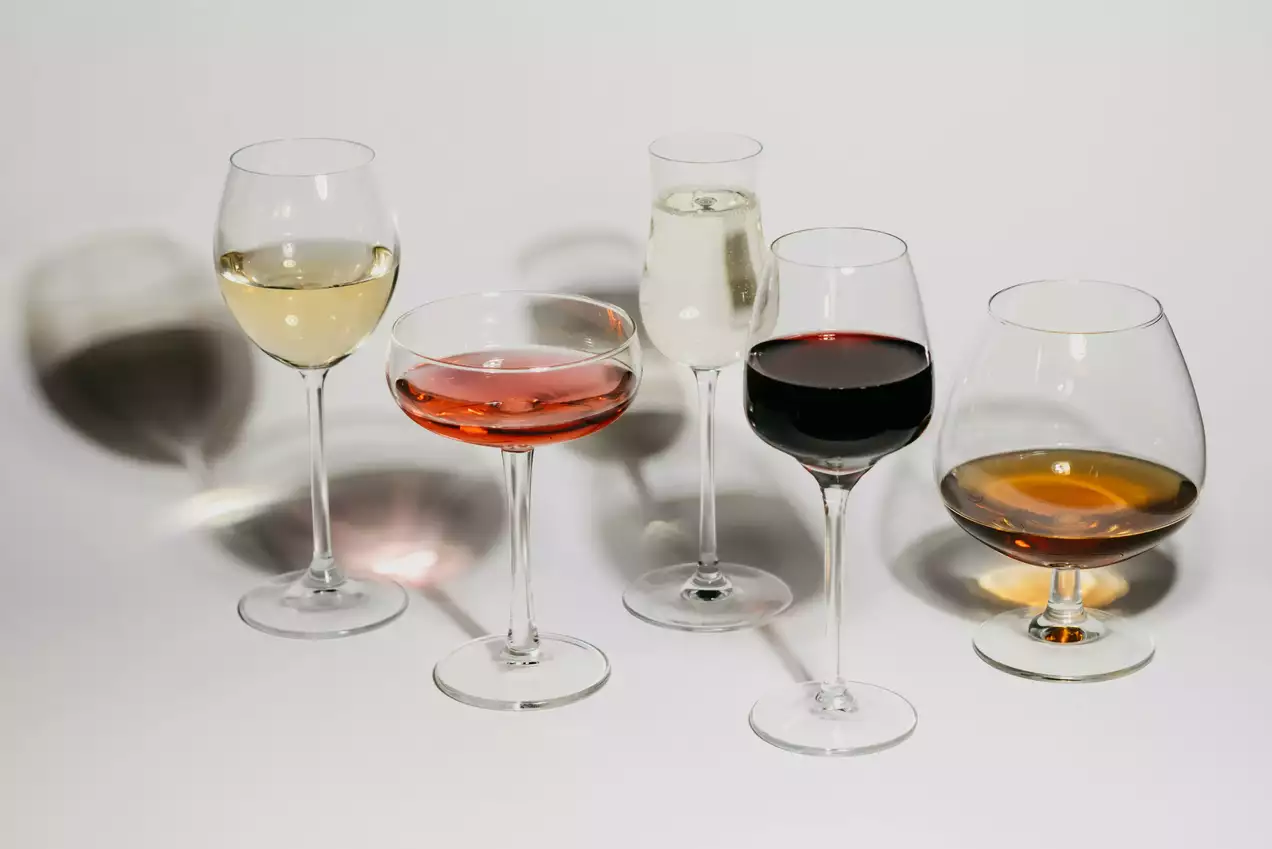
Different Types of Wine: A Guide to Reds, Whites, Rosés, Sparkling and More
22 August 2026
If you’ve ever stood in front of a wine shelf wondering what to choose-or why one bottle tastes so different from another-you’re not alone. Wine can feel like a world of codes: grape varieties, regions, winemaking styles, sweetness levels, tannins, acidity… and then-somewhere in the middle of it all-your personal preference.
This guide to the different types of wine is designed for real wine lovers and curious newcomers alike. At LadyWine.co.uk, we believe discovery should be fun and approachable. Whether you’re planning a dinner, celebrating something special, or simply enjoying a quiet evening in, understanding the main types of wine will help you select bottles with confidence.
Why “types of wine” matter
When people say “different types of wine,” they can mean a few different things: the colour (red, white, rosé, sparkling), the level of bubbles (still vs sparkling), and even the style (dry, sweet, fortified, etc.). Each type carries typical flavour patterns-though, importantly, there are always delightful exceptions.
Think of wine types as a map. They won’t replace your palate, but they’ll point you in the right direction.
1. Red Wine (Bold, structured, and endlessly varied)
Red wine is made from grapes with dark skins. Those skins soak during fermentation, which contributes colour, texture, and flavour compounds. The result is usually a richer, more structured wine with noticeable tannins-the natural compounds that create that drying, gripping sensation some people feel in red wine.
Typical flavour profiles: cherry, plum, blackcurrant, raspberry, herbs, spices, cocoa, cedar.
Common styles you’ll find:
- Light-bodied reds (often softer tannins): great with lighter dishes or slightly chilled temperatures.
- Medium-bodied reds: a versatile choice for everyday meals.
- Full-bodied reds: deeper flavours, often with more tannin and complexity.
Pairing ideas: roast meats, grilled vegetables, rich pasta, aged cheeses.
One of the joys of red wine is how much variety exists within it. A silky Pinot Noir can feel worlds apart from a concentrated Cabernet Sauvignon-even though both are undeniably “red.” At LadyWine, we love showcasing bottles that show red wine’s spectrum, from elegant and delicate to bold and powerful.
2. White Wine (Fresh, aromatic, and food-friendly)
White wine is typically made with grapes whose skins are not used for extended contact with the juice (often pressed soon after harvest). This usually means less tannin and lighter texture compared with many reds, with flavours driven by fruit, acidity, and aroma compounds.
Typical flavour profiles: citrus, green apple, pear, peach, melon, tropical fruit, sometimes floral notes and mineral hints.
Key feature to look out for: acidity. Acidity is what makes white wine feel crisp and refreshing, especially with seafood, salads, and creamy dishes.
Common white wine styles:
- Dry white wine: no sugar or only minimal sweetness; often crisp and vibrant.
- Off-dry or lightly sweet: a gentle sweetness that can balance acidity and pair beautifully with spicy food.
- Oaked white wine: can feel rounder, with hints of vanilla, butter, or toast (not always-depends on the producer).
- Unoaked/less-oaked whites: often lean more towards fresh fruit, herbs, and clean mineral tones.
Pairing ideas: fish, shellfish, chicken, salads, goat’s cheese, and lighter pastas.
Whether you’re into bright, zingy Sauvignon Blanc-style wines or creamy, textured whites that feel almost like a comfort food, white wine offers an inviting starting point for most palates.
3. Rosé Wine (The joyful bridge between red and white)
Rosé is made by allowing some red grape skin contact with the juice, but only for a short time. That limited contact creates the pink colour and a style that often sits between red and white: more fruit than many reds, but more texture and depth than many whites.
Typical flavour profiles: strawberry, raspberry, redcurrant, watermelon, citrus zest, sometimes a savoury or floral edge.
Common rosé styles:
- Dry rosé: the most popular style in the UK market; crisp and refreshing.
- Off-dry rosé: slight sweetness can make it more aromatic and approachable for some drinkers.
- Rosé made in different methods: you may see “sillier” differences depending on grape variety and winemaking approach.
Pairing ideas: summer salads, grilled prawns, charcuterie, spicy dishes, picnic food.
Rosé is often associated with warmer months, but it’s a year-round wine. Chilled rosé can be delightful alongside lighter meals, while a slightly more savoury rosé can work brilliantly with Mediterranean flavours-even when the weather isn’t.
4. Sparkling Wine (Celebration in a glass-yes, but also so much more)
Sparkling wine is wine with dissolved carbon dioxide, creating bubbles. Some sparkling wines are made via the classic method (secondary fermentation in the bottle), while others use tank fermentation. The result can range from bright and crisp to richly complex and toasty.
Typical flavour profiles: green apple, pear, citrus, brioche, almond, strawberry, and subtle mineral notes.
Key styles to know:
- Brut: dry (often the most widely enjoyed style).
- Extra Dry: slightly more fruit-forward than Brut, but still generally not sweet.
- Sec/Medium: more noticeable sweetness.
Pairing ideas: aperitifs, canapés, fried snacks, oysters, roast chicken, creamy sauces.
Sparkling wine isn’t just for toasts. Its acidity and bubbles cut through rich flavours, making it an excellent companion for many foods. At LadyWine, we love curating sparkling bottles that feel special without feeling intimidating.
5. Sweet Wine (Dessert, alone or with the right pairing)
Sweet wine is defined by higher residual sugar. This can come from grapes that naturally ripen with more sugar, from fortification (as in some dessert wines), or from stopping fermentation early.
Typical flavour profiles: honey, dried fruit, candied citrus, caramel, apricot, chocolate, spice.
Pairing ideas: fruit desserts, chocolate, blue cheese, spicy Asian dishes (depending on style).
Sweet wine can be a wonderful way to end a meal-or a treat after dinner. If you’ve only ever tried very sweet dessert wines, you might be surprised to find “sweet” can also mean balanced and elegant rather than cloying.
6. Fortified Wine (Traditionally rich, aromatic and long-lasting)
Fortified wine is base wine with added spirit (usually grape brandy). This increases alcohol and can preserve sweetness and complexity. Fortified wines tend to be deeply aromatic and often perfect for slow sipping.
Popular fortified styles:
- Port: typically rich, with dark fruits and spice; often enjoyed with dessert or mature cheeses.
- Sherry: can be bone-dry to intensely sweet, with styles that range from nutty to complex and savoury.
- Madeira: known for resilience and distinctive caramelised fruit notes.
Pairing ideas: nuts, cheese boards, chocolate, fruit tarts, or simply as a digestif.
Fortified wines are a world of their own-ideal for anyone who loves complexity and history in a bottle.
7. Rosé Sparkling and Blended Sparkling Styles
Beyond classic sparkling white wines, you’ll sometimes find rosé sparkling and blended styles. Rosé sparkling often combines the crispness of bubbles with the fruit character people love in rosé.
Typical flavour profiles: strawberry, raspberry, citrus, gentle toastiness, creamy mousse.
Pairing ideas: celebrations, brunch, seafood, and light desserts.
If you enjoy both rosé and sparkling wine, these can be a best-of-both-worlds option.
8. Skin-Contact Wine (A modern style with a “different” approach)
Skin-contact wine-sometimes called “orange wine” when it leans into the spectrum of orange-hued whites-refers to wines made with extended contact between grape skins and juice. This can create a more textured, tannic, aromatic style than many conventional whites.
Typical flavour profiles: dried apricot, tea, citrus peel, herbs, spices, sometimes tannin-like grip.
Pairing ideas: roasted vegetables, grilled fish, spicy dishes, Middle Eastern-inspired meals.
Skin-contact wines are for the curious. They can feel both familiar and adventurous, offering a bridge between white freshness and red-like texture.
9. Natural Wine and Low-Intervention Styles
Natural wine usually means minimal processing and a focus on organic or wild fermentations, though exact definitions vary. The goal is often to preserve fruit character and terroir (the influence of climate and soil), but the experience can be broad-from bright and lively to more rustic and quirky.
What to expect: lively aromas, sometimes earthy or savoury notes, and a sense of character that can’t be reproduced by formula.
Pairing ideas: veggie-forward cooking, charcuterie, and cuisines with lots of herbs and spices.
If you like wines with personality-bottles that feel like they’ve been made by someone, not a process-natural and low-intervention styles are worth exploring.
How to choose the right type of wine for your taste
It’s easy to get overwhelmed by choice. A simple approach can make everything feel easier:
1) Start with colour, then move to style.
If you know you prefer red wine’s texture, begin there. If you want something crisp and clean, choose a dry white. If you want something playful and flexible, rosé is often a safe bet.
2) Pay attention to sweetness level.
Many people assume sweet wine only means dessert wine, but wines labelled as “off-dry” can sit comfortably in the middle. If you’re unsure, choose bottles described as “dry” or “Brut” for sparkling.
3) Think about the meal.
High-acid wines (many whites and sparkling wines) work well with rich foods because they refresh the palate. Reds with more tannin tend to pair well with grilled and roasted dishes.
4) Consider how you like to drink wine.
Do you want something refreshing to begin an evening? Sparkling or dry white. Do you want a thoughtful sip while cooking or after dinner? Red, sweet wine, or fortified options might fit better.
Popular grape varieties by wine type (quick reference)
Grape variety is one of the biggest drivers of flavour, so even a basic awareness helps you decode bottles faster.
Red classics: Pinot Noir (lighter, elegant), Merlot (softer, fruit-forward), Cabernet Sauvignon (structured, dark fruit), Syrah/Shiraz (spice and dark fruit), Tempranillo (smooth with savoury notes).
White classics: Sauvignon Blanc (crisp, citrus), Chardonnay (richer or creamy depending on oak), Riesling (often aromatic, can range from dry to sweet), Pinot Grigio/Pinot Gris (fresh and light or lightly aromatic), Gewürztraminer (fragrant, tropical/spice).
Rosé favourites: Grenache often brings juicy fruit, Pinot Noir can deliver elegance, and many rosés use blends for balance.
Sparkling staples: traditional-method styles often include Chardonnay and Pinot Noir, while others may use different bases depending on region.
Discovering different types of wine with LadyWine.co.uk
At LadyWine.co.uk, we curate wines to make discovery feel exciting rather than daunting. That means you can browse curated selections across red, white, rosé and sparkling, often from smaller producers who bring distinct character to the bottle. Whether you want a reliable go-to for dinner or a “let’s try something new” bottle for the weekend, our approach is to keep the experience approachable and the choices inspiring.
Wine lovers don’t all drink the same way. Some want classic styles; others want unusual regions and lesser-known bottles. Many of us do both, depending on the mood. The good news is that once you understand the main types of wine, you’ll start tasting with more intention-and enjoying the journey more.
Final thoughts: find your next favourite bottle
Knowing the different types of wine-red, white, rosé, sparkling, sweet, fortified, and modern styles like skin-contact-helps you choose faster and drink with more confidence. But it’s also just the beginning. The real magic of wine is that every bottle adds nuance: a new grape, a different winemaking decision, a region you didn’t know you’d love.
So pick a type, follow your palate, and let discovery do the rest. Your next favourite bottle is probably closer than you think.
← Back to Blog